The practice · 14 Bridge Street
Two treatment rooms, one sterilising room, no stairs
A ground-floor practice in a converted shop on 14 Bridge Street, with a level entrance from Mill Lane. Here is what is in each room and how every instrument is cleaned.

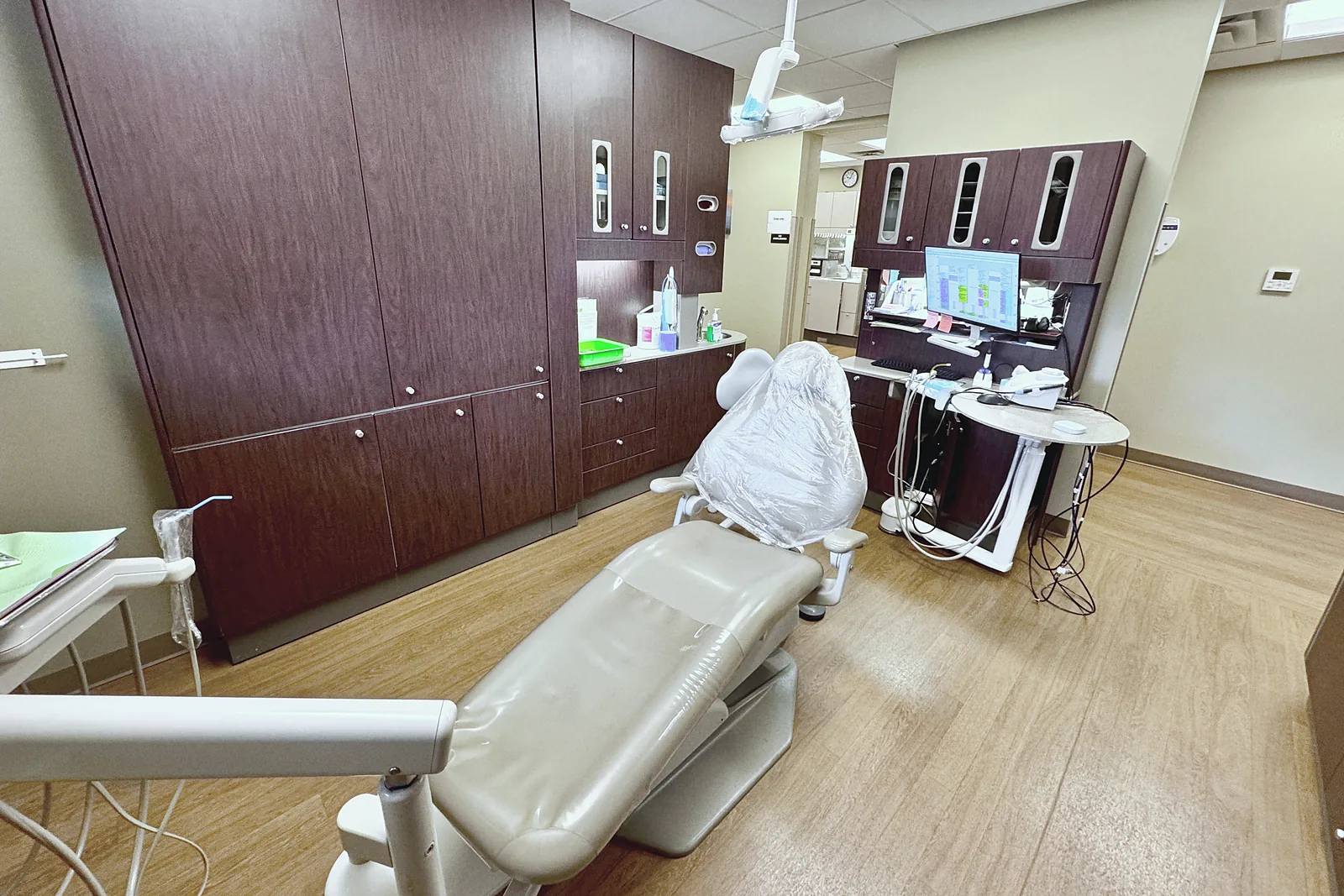

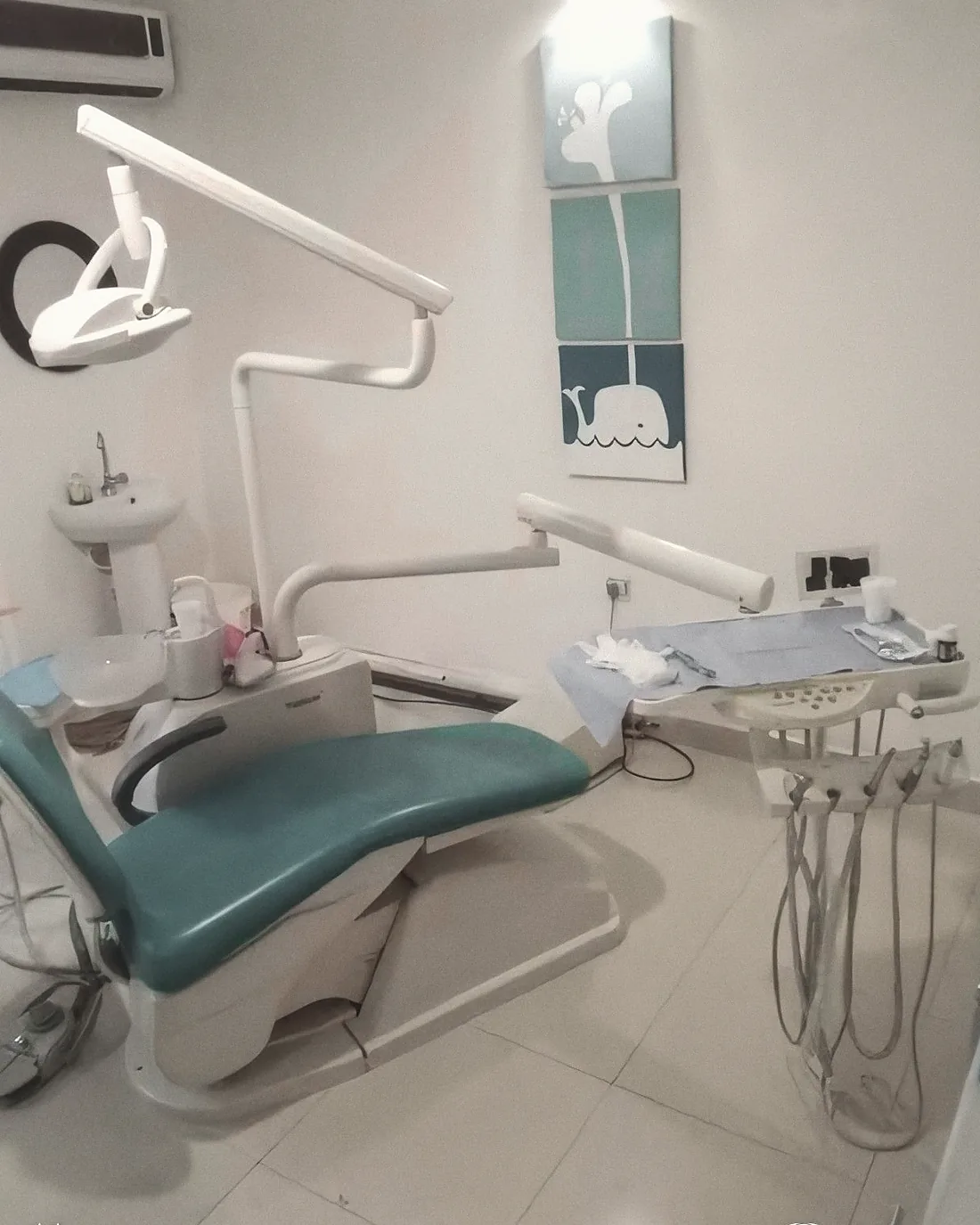
Equipment
WHAT is in THE ROOM
- Digital X-rayImages appear on the screen in seconds, at a lower dose than film.
- Magnifying loupesWorn by every clinician for every examination and treatment.
- Intraoral cameraA pen-sized camera, so you see the same tooth we see.
- Rubber damUsed for every root canal: it keeps the tooth dry and clean, and nothing goes down your throat.
- 3D scannerFor crowns, aligners and whitening trays: no impression putty.
Hygiene and sterilisation
FROM the CHAIR TO the POUCH
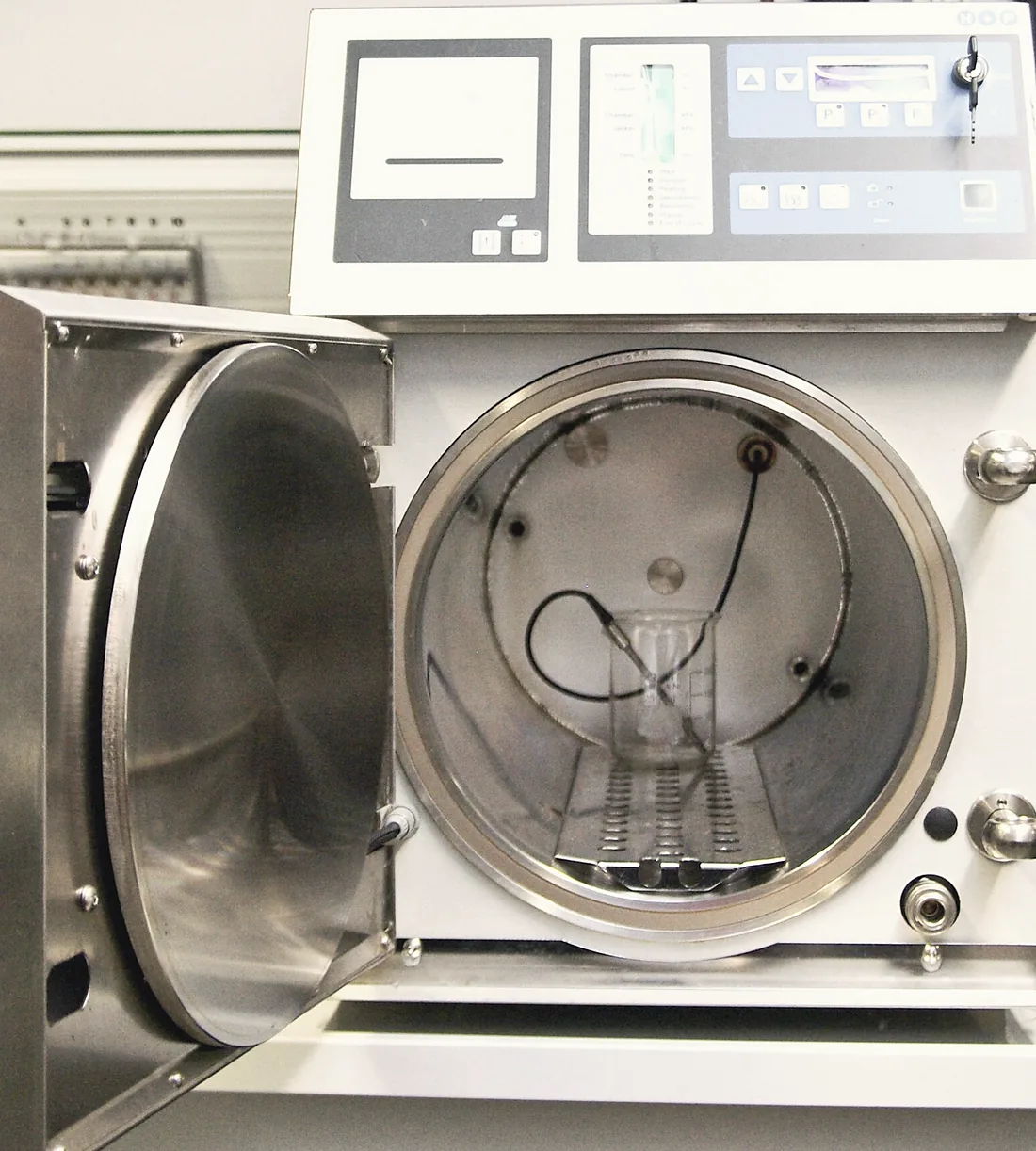
Instruments never get cleaned in the room you are treated in. They go to a separate decontamination room and come back sealed. Steam sterilising works on the same principle as a pressure cooker; the autoclave was invented in 1879.

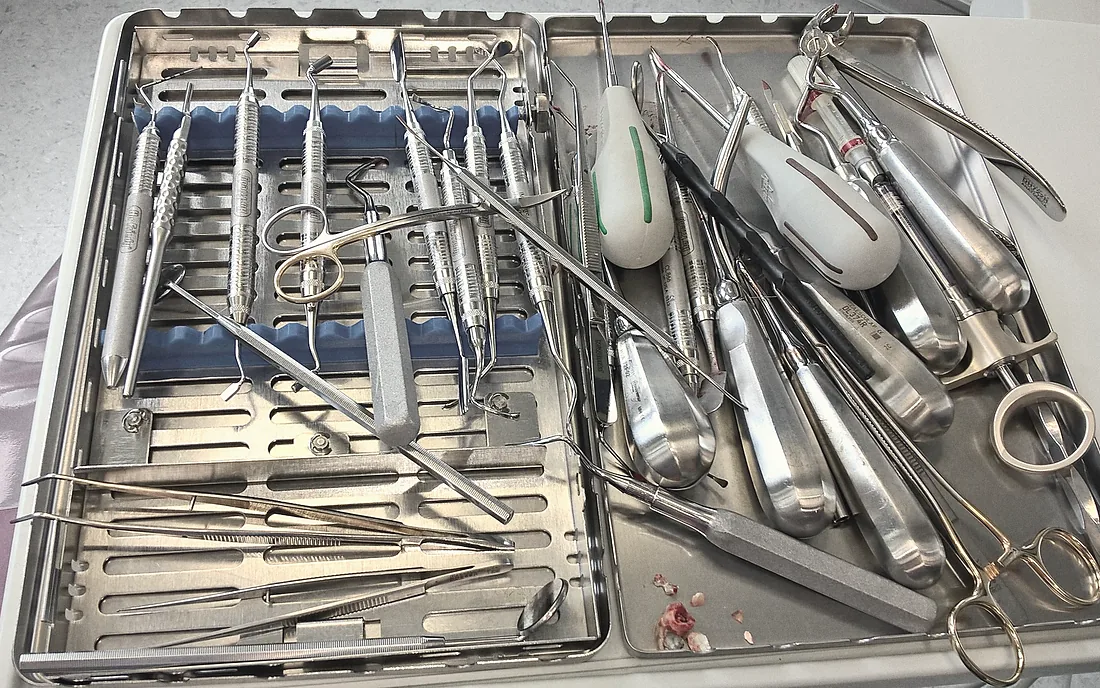


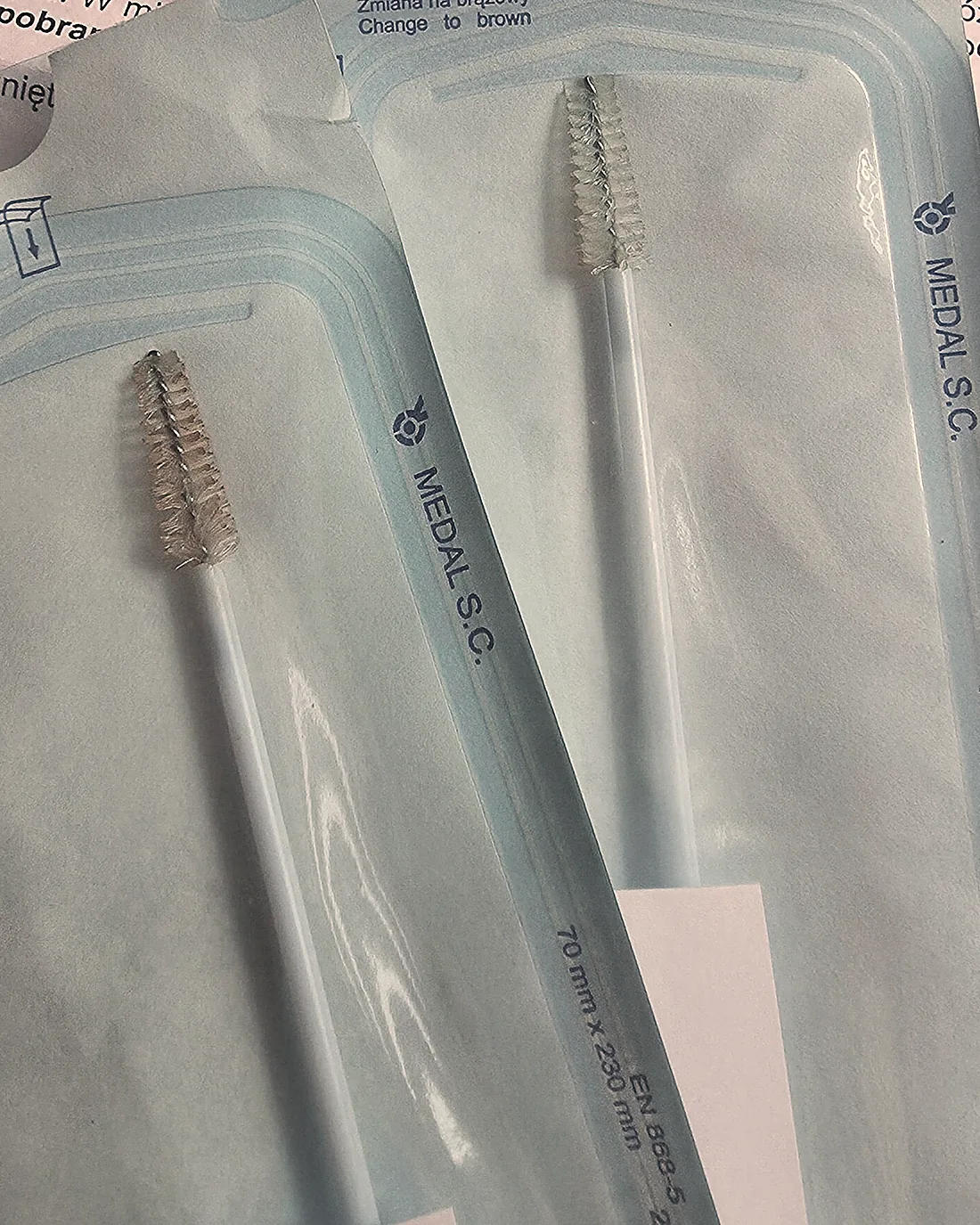
- 01WashedInstruments leave the room in a closed box and go through a washer-disinfector.
- 02InspectedEach one is checked under a lit magnifier for anything left behind.
- 03SterilisedA vacuum steam autoclave: air pumped out, steam in, 134 °C under pressure. The machine records every cycle.
- 04SealedBagged in a dated pouch whose indicator strip changes colour in the steriliser, and opened in front of you.
Getting in
Step-FREE, START TO FINISH
- Level entranceStep-free from Mill Lane, with a wide door and a ramp to reception.
- Hearing loopAt reception and in treatment room one.
- ParkingBridge Street car park, 40 metres, free for two hours; two blue-badge bays behind the practice.
- By busMarket Cross stop, three minutes' walk.
Longer appointments are free if you need more time; just tell Joanne when you book.

Come and see it first
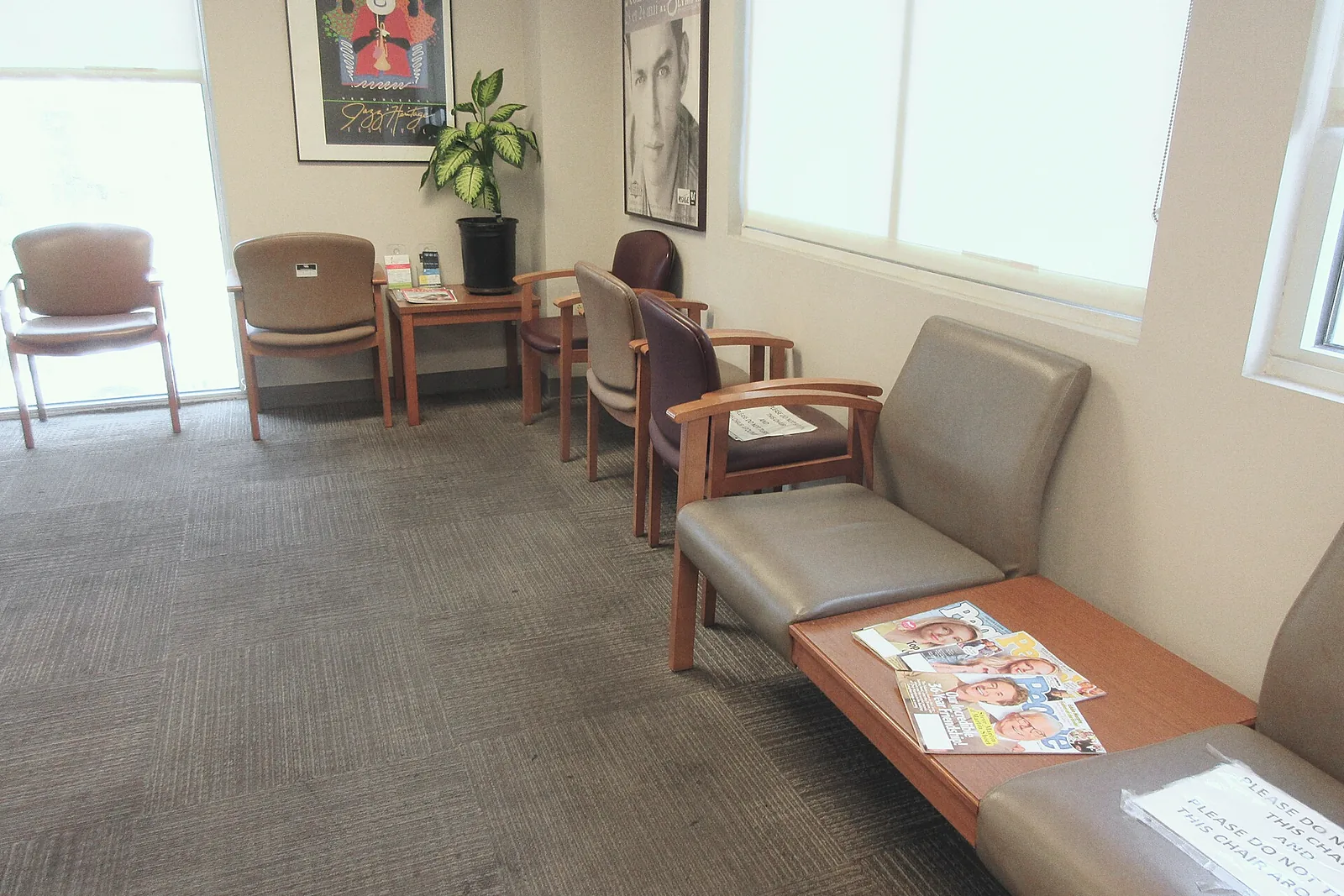
Nervous? Ask to see the room before your visit
Book an appointment