First visit · 45 minutes
Your first visit, minute by minute
A new patient examination takes about 45 minutes and costs £75. Here is what happens, in order, so nothing is a surprise.

What happens
THE forty-five MINUTES
- 0 minArriveJoanne welcomes you. If you filled in the medical form we email after booking, you go straight through.
- 5 minTalkYou tell us why you came, and anything that worries you. If you are nervous, say so: it changes how we pace the visit.
- 10 minLookThe examination: every tooth under loupes, the gum check, your bite, your cheeks and tongue (part of every check is a mouth-cancer screen).
- 25 minShowX-rays only if we need them. Then the screen: we point at what we found, healthy things included.
- 35 minDecideIf anything needs doing, we talk through the options and you leave with a written plan and prices. Nothing happens today unless you want it to.
- 45 minBookJoanne books your next visit, or you go home and think about it. Both are fine.
What to bring
- A list of any medicines you take
- Your previous dentist's name, if you know it
- Glasses, if you need them to read the plan
- Your plan or insurance details, if you have them
How long it takes
About 45 minutes for a first examination. Allow an hour if you'd like time to talk through a plan.
Bringing a child
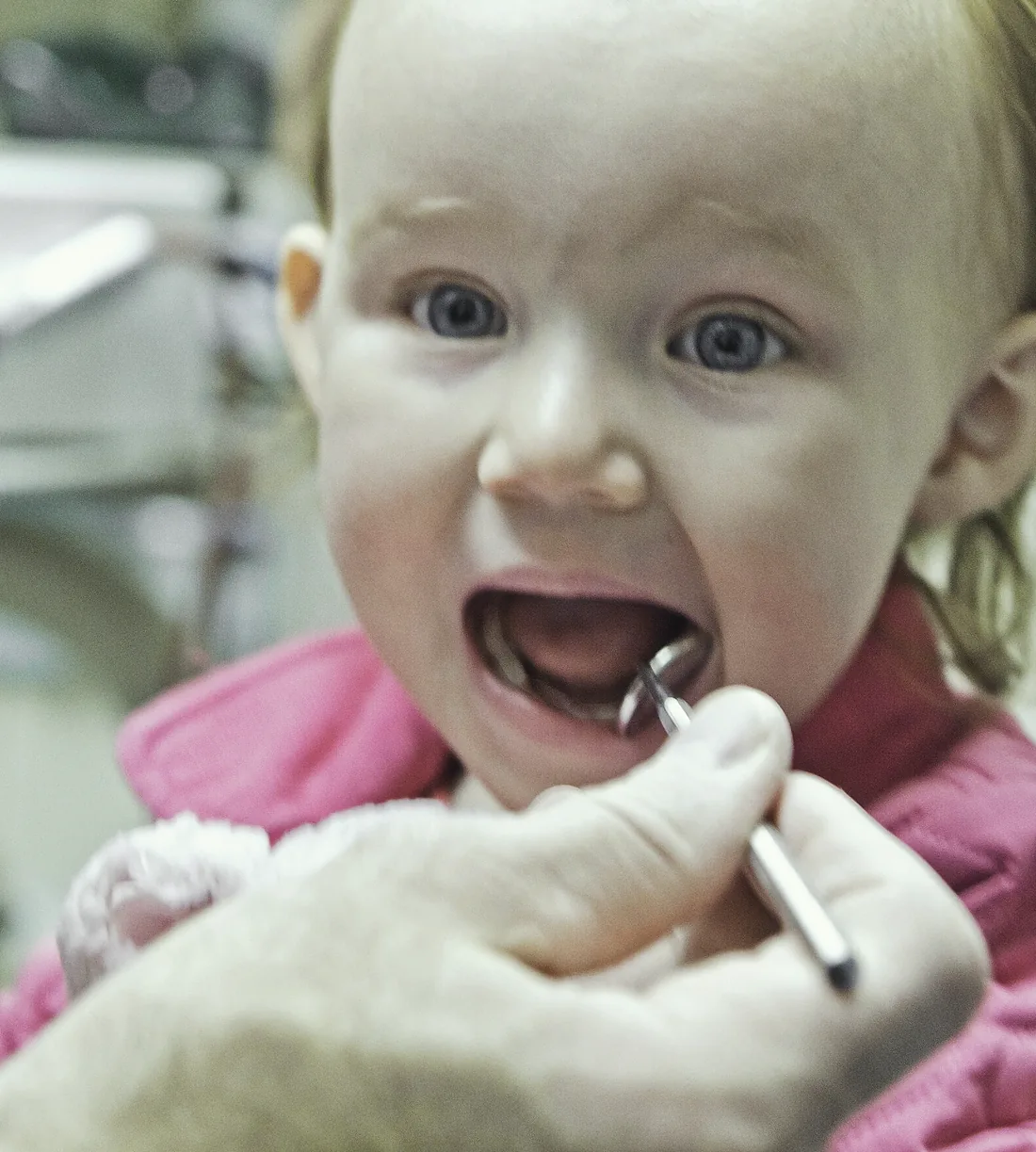
Paediatric dental bodies advise a first visit when the first tooth appears, or by the first birthday. Bring your child to your own check-up first if you like, so the room and the chair that goes up and down are familiar. Their own visit takes 20 minutes, with you in the room.
Children's check-ups are £30, and free for children of parents on our plan.
If you are nervous
AT your PACE
- Tell us when you bookJoanne adds a note and gives you a longer first slot, at no extra cost.
- Come and see the room firstTen minutes on any weekday, with no examination.
- A signal that worksRaise your hand and we stop. Every time, mid-sentence if need be.
- Nothing on the first dayUnless you ask, the first visit is look, show and decide. Treatment comes later.
“Anxiety is usually fear of the unknown, so I start by taking the unknown away: what I'm looking at, what I've found, what happens next.”
Dr. Clara Rennick