
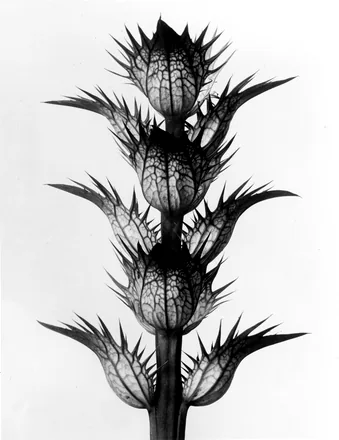
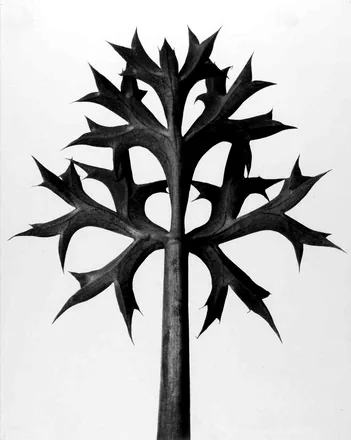
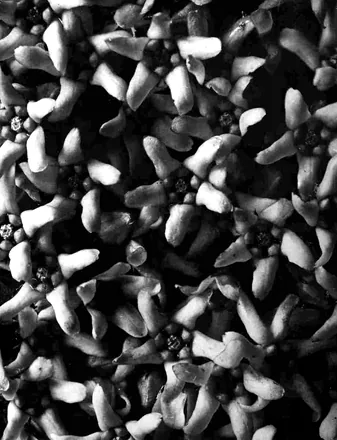
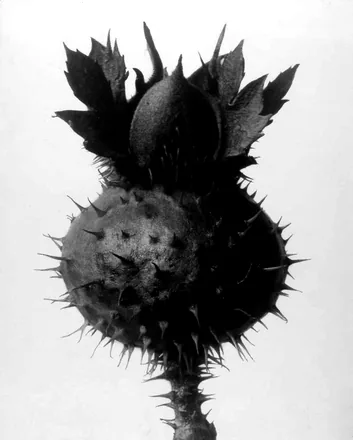
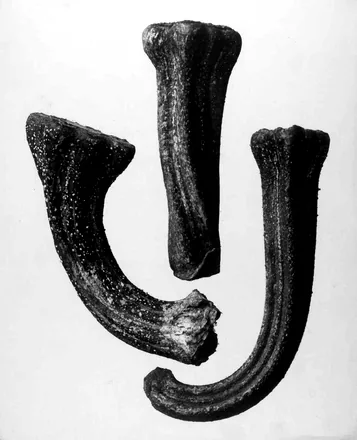
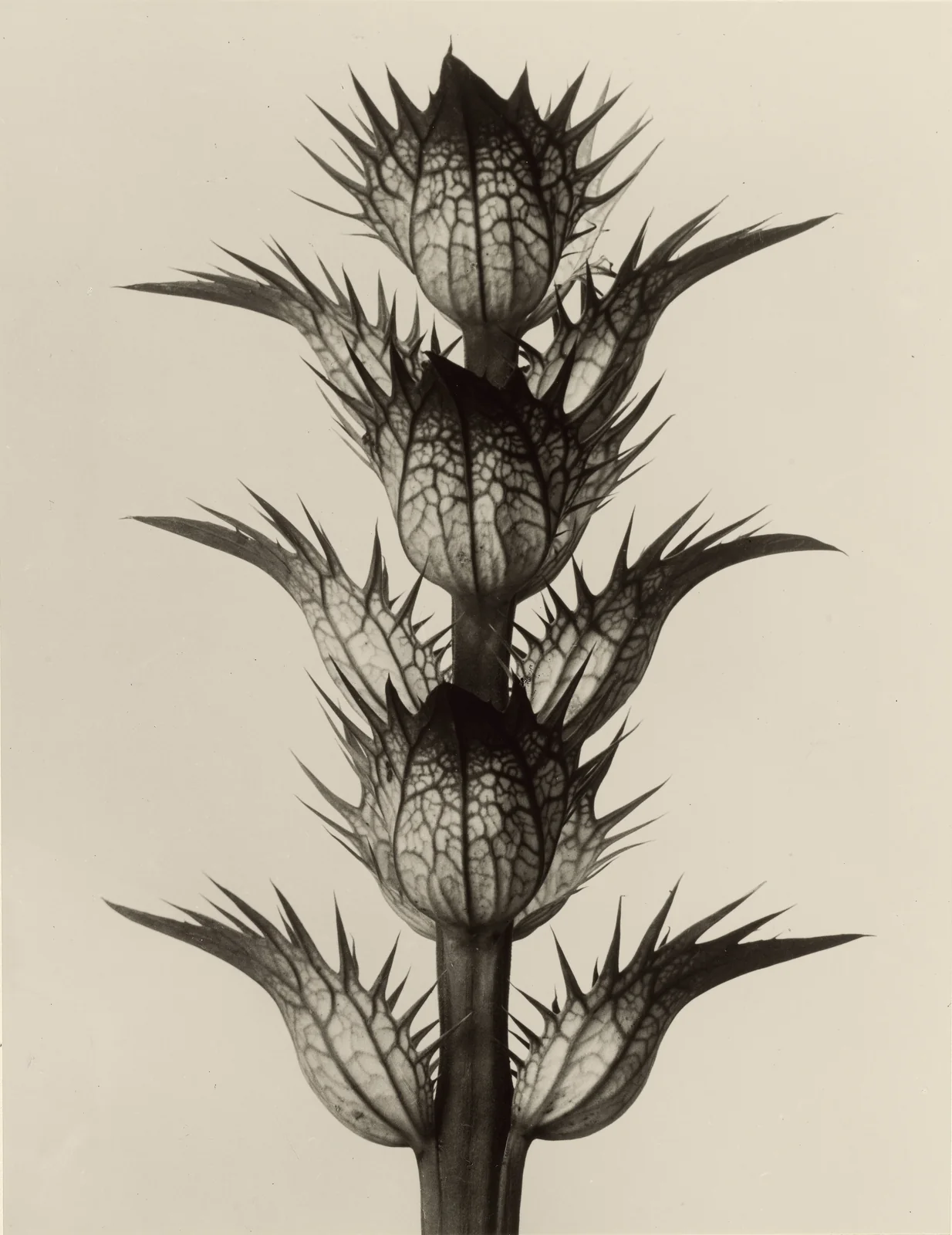
01 / 18Acanthus mollisBear’s breeches
What these were for
He made them for a classroom.
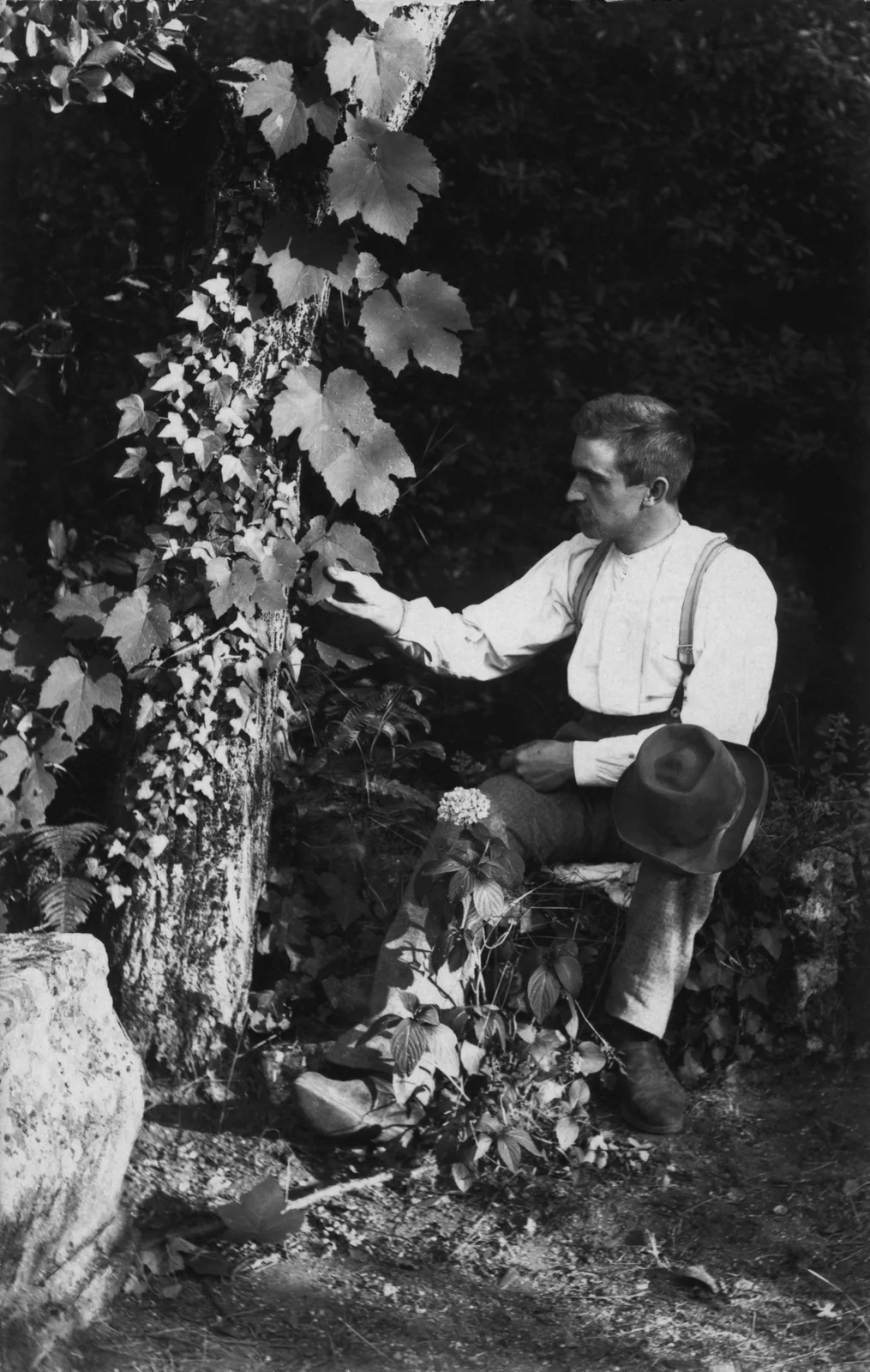
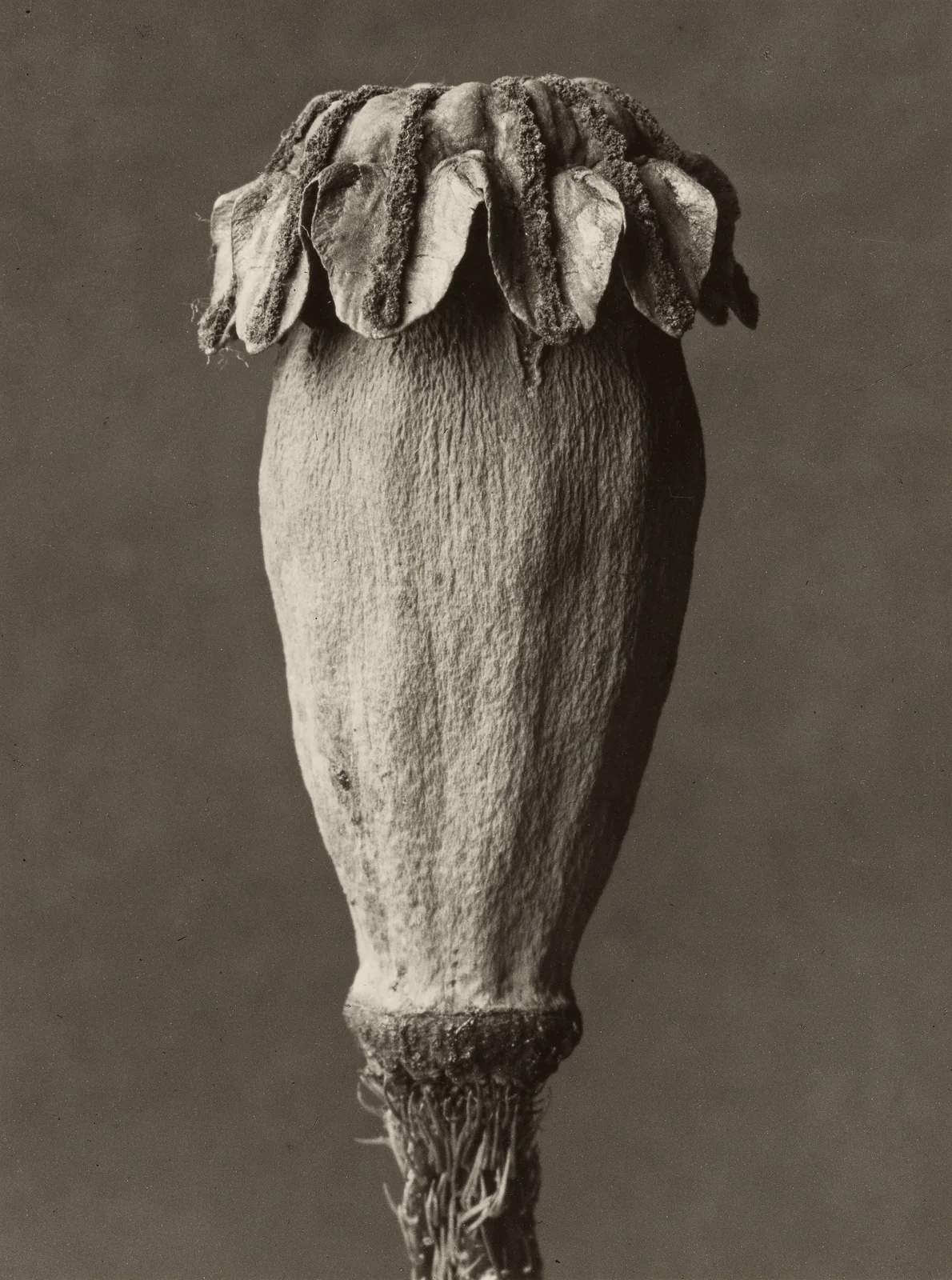
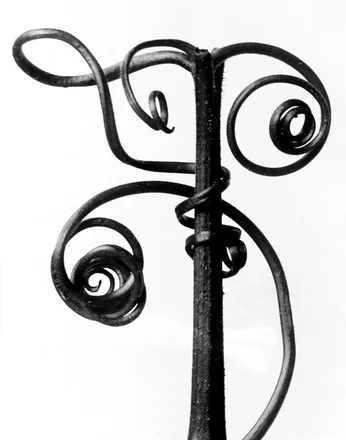
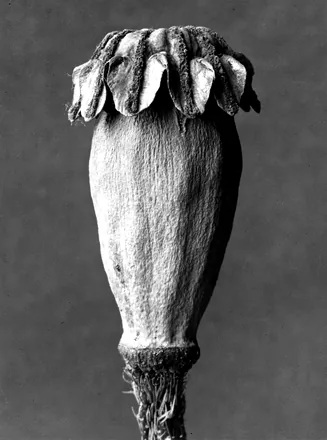
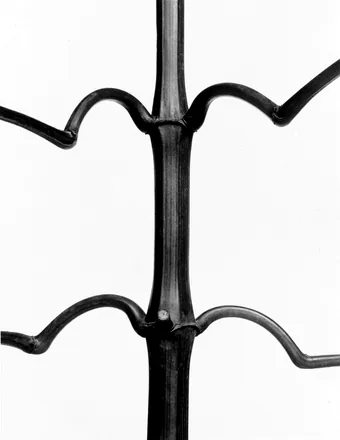
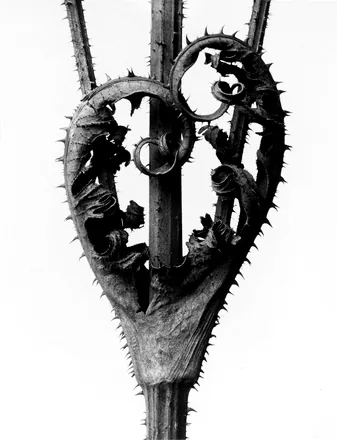
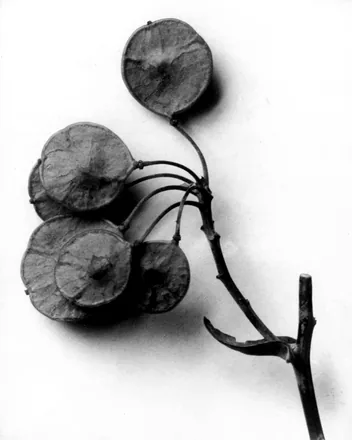
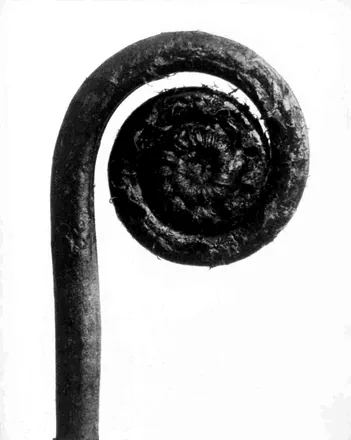
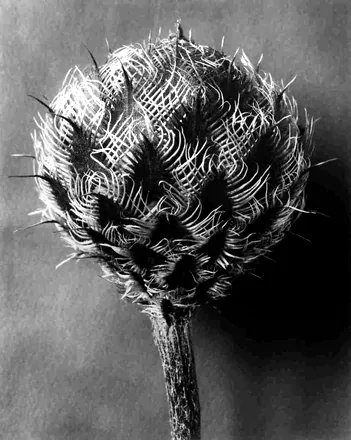
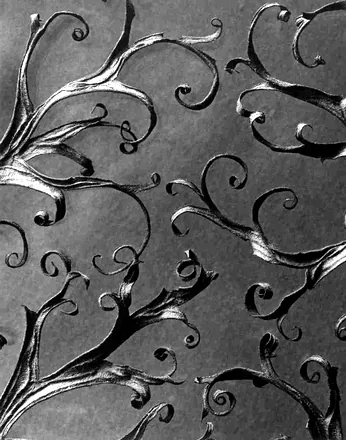
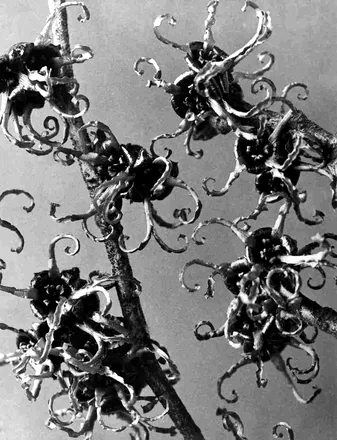
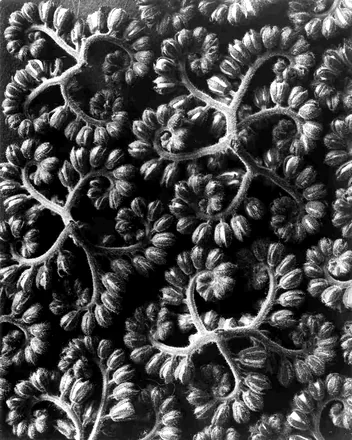
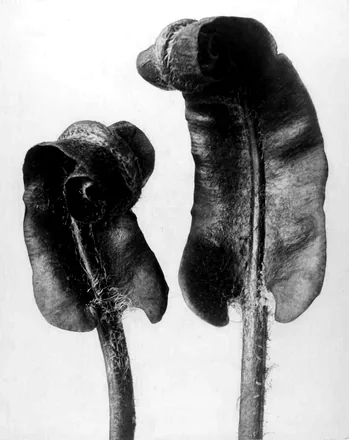
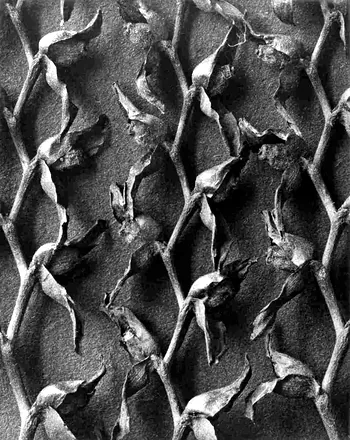
From 1899 Karl Blossfeldt taught “modelling from living plants” in Berlin, for 31 years. He picked the plants himself on field paths and railway embankments, photographed them, and projected the pictures on the wall for his students to draw.
He never meant them as art. When they came out as a book in 1928 he was 63, and famous almost overnight.
His life, year by year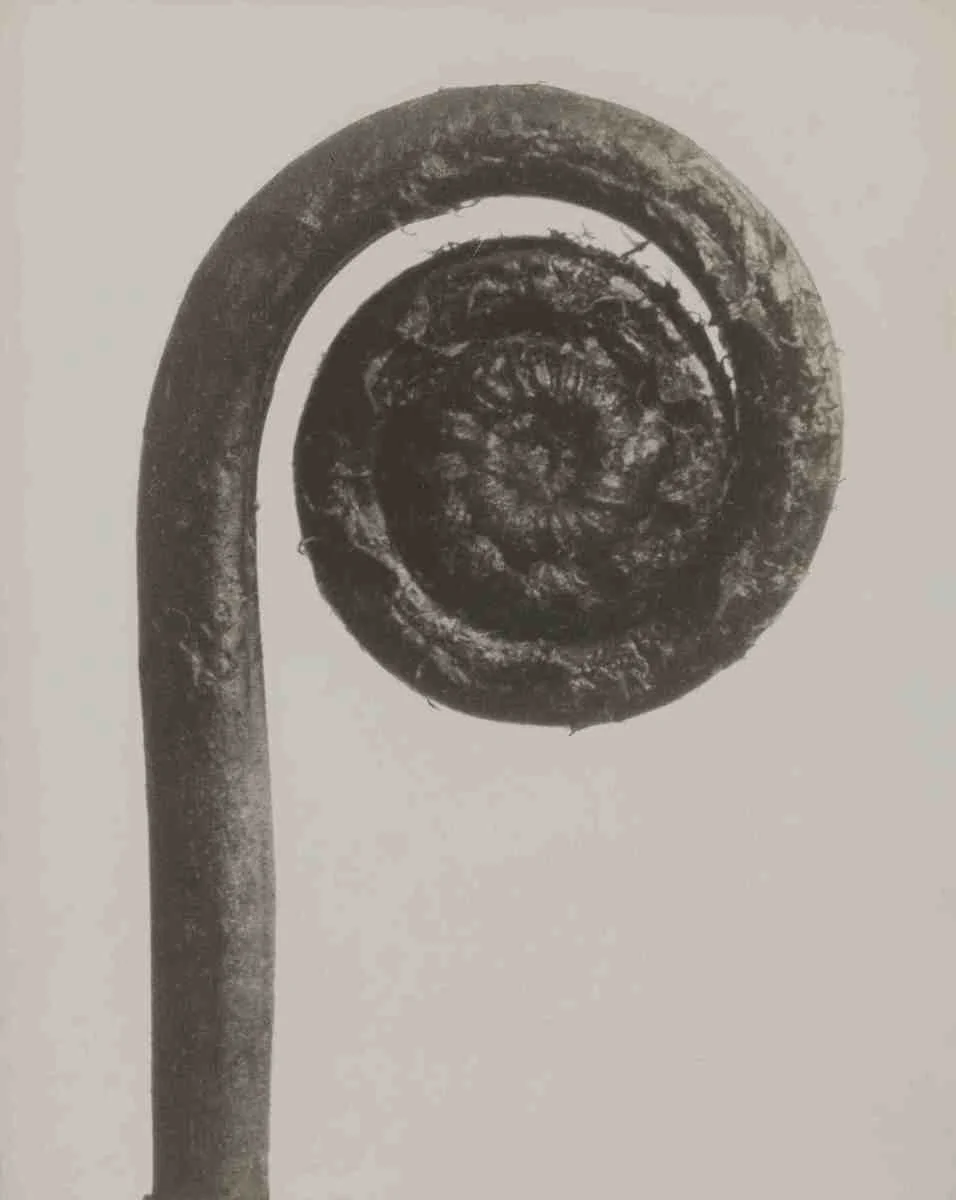
1:4
From the glass to the wall
On the glass, at 1:1
He photographed the plant at its real size on a glass negative, usually 9 × 12 or 13 × 18 cm. The plant lay on a sheet of glass, stood in plasticine or hung from wire.
A section, enlarged
In the darkroom he enlarged only a section of the plate. That is where the 12 to 45 times comes from, not the camera.
Printed 30 × 24 cm
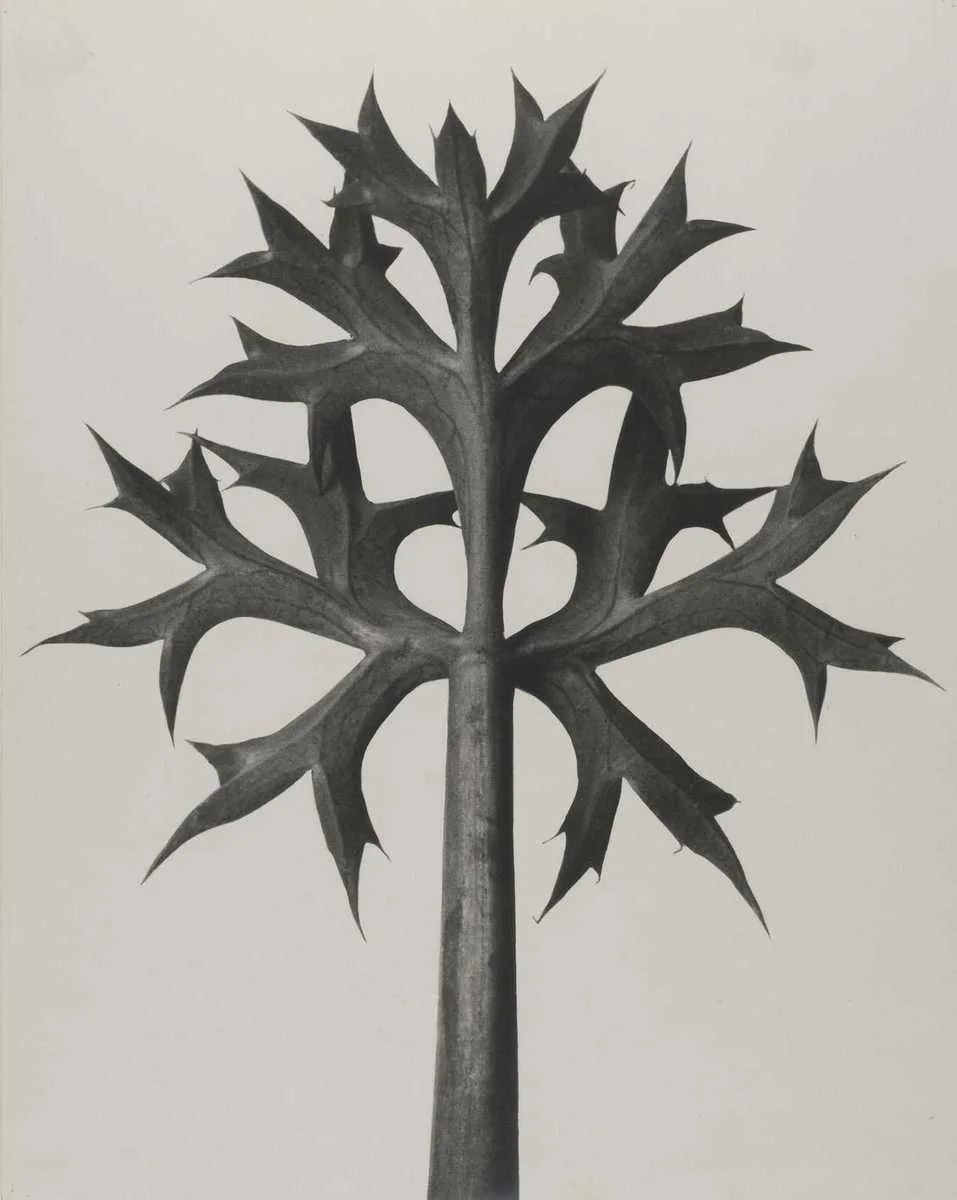
Most prints were made on silver gelatin paper about 30 × 24 cm. Pegs and wire that showed on the negative were cropped away.
Projected for the class
For his students he made 9 × 12 cm lantern slides and projected them large. They drew and modelled from the wall.
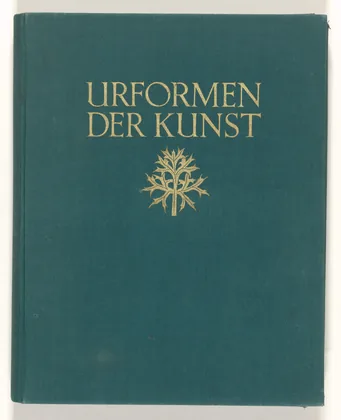
The book
Urformen der Kunst, 1928
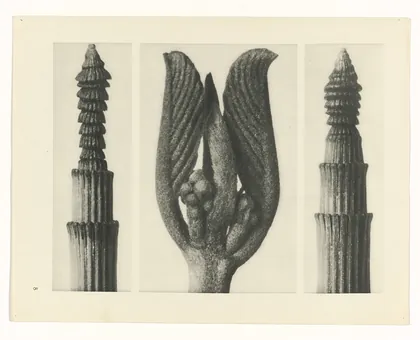
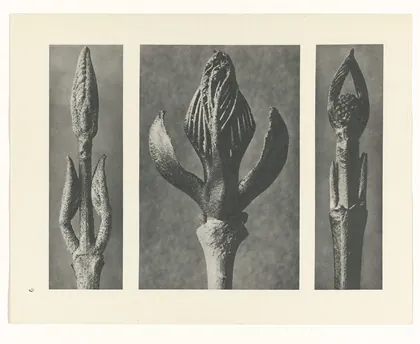
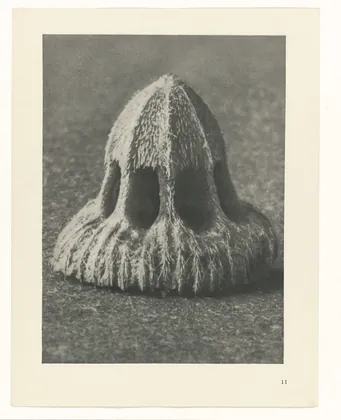
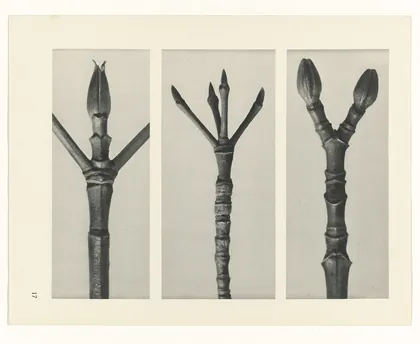
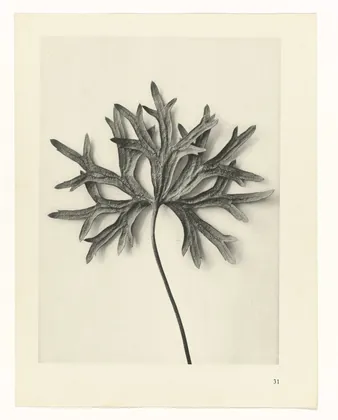
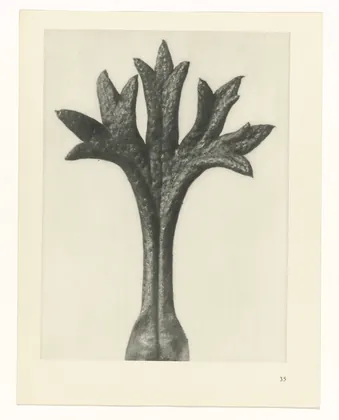
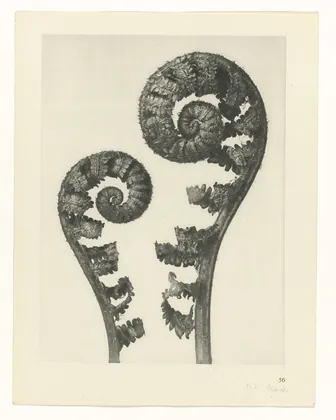
120 plates in rotogravure, published by Ernst Wasmuth in Berlin with an introduction by the dealer Karl Nierendorf. Twenty-two loose plates, scanned by the Rijksmuseum, are on the next page.
Leaf through the book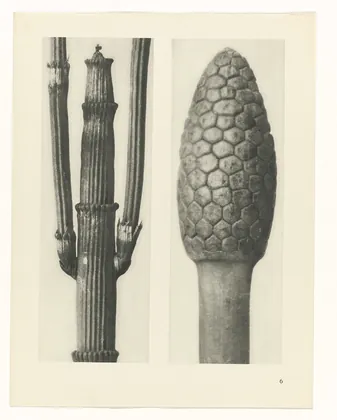
Thursdays, 18:00–20:30 · €14
Draw from the wall, like his students did.
One print is projected about two metres tall, as Blossfeldt did for his students. You draw it for two and a half hours, with one short break. Someone from the room explains the plant at the start, then it is quiet.
Anyone who wants to draw. Twelve seats, no experience needed. People bring sketchbooks, some bring clay.
€14 a seat, paper and charcoal included. The room itself is free to visit in opening hours.
Write to us with the date you want. We answer within a day and hold the seat until Wednesday evening.