
Japaneseswordpolishing
Four things,all on the bench
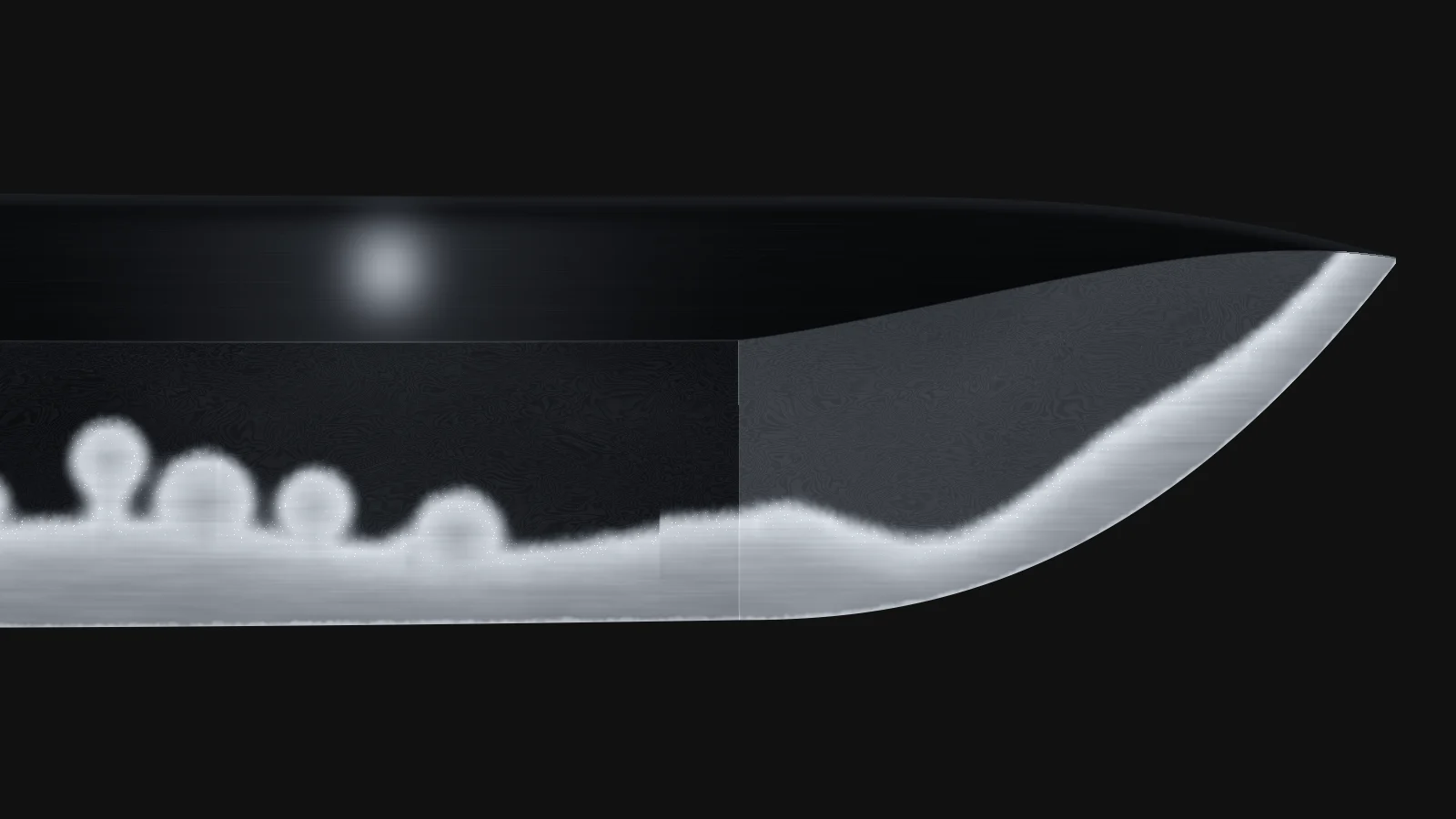
Full polish
Seven stones to set the shape, six finishing steps to bring up the steel. Four to nine weeks on the bench.
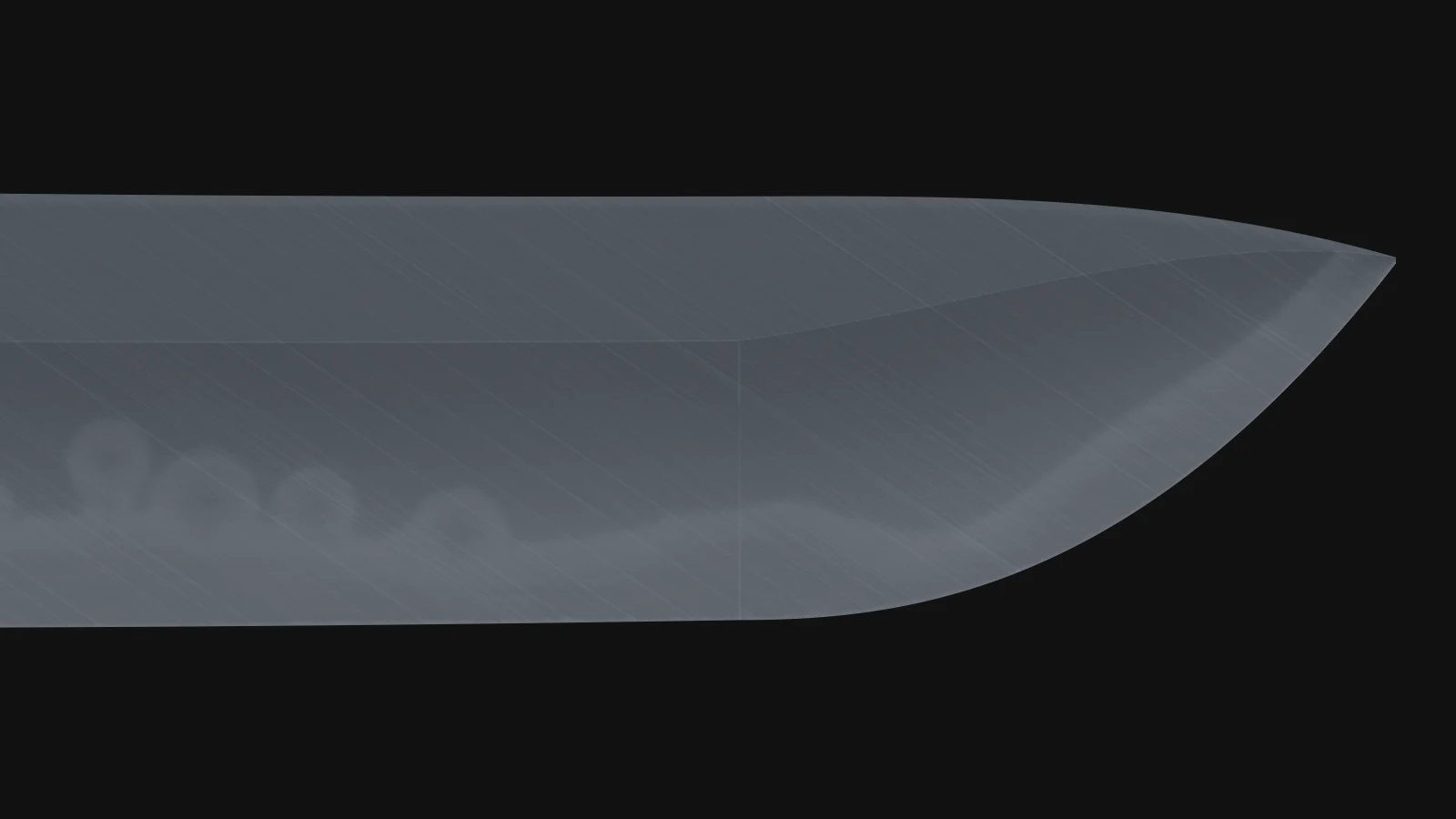
Window
A few centimetres polished on a dull blade so the hamon and grain can be judged before you commit.
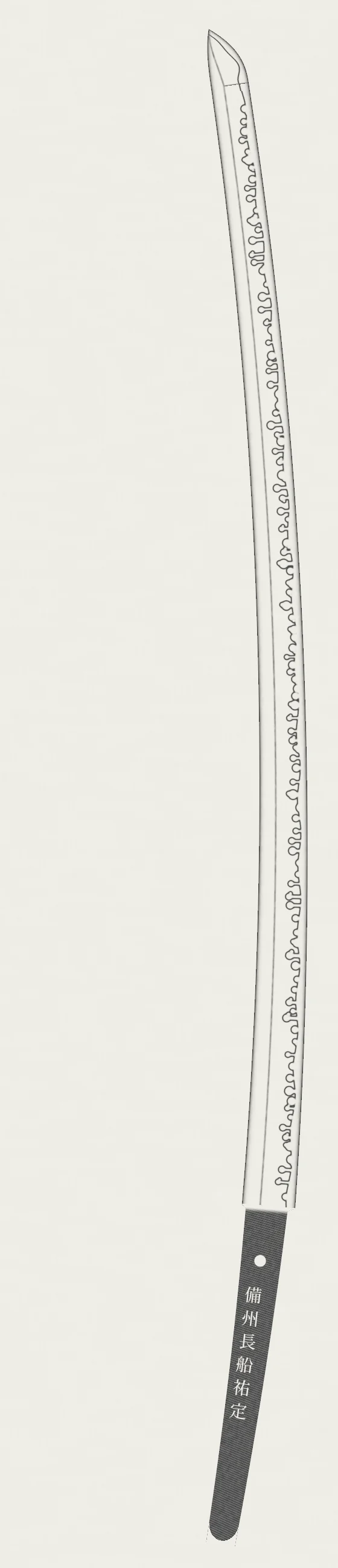
Oshigata
A rubbing of the whole blade on washi, hamon drawn by hand, with the measurements and our notes.
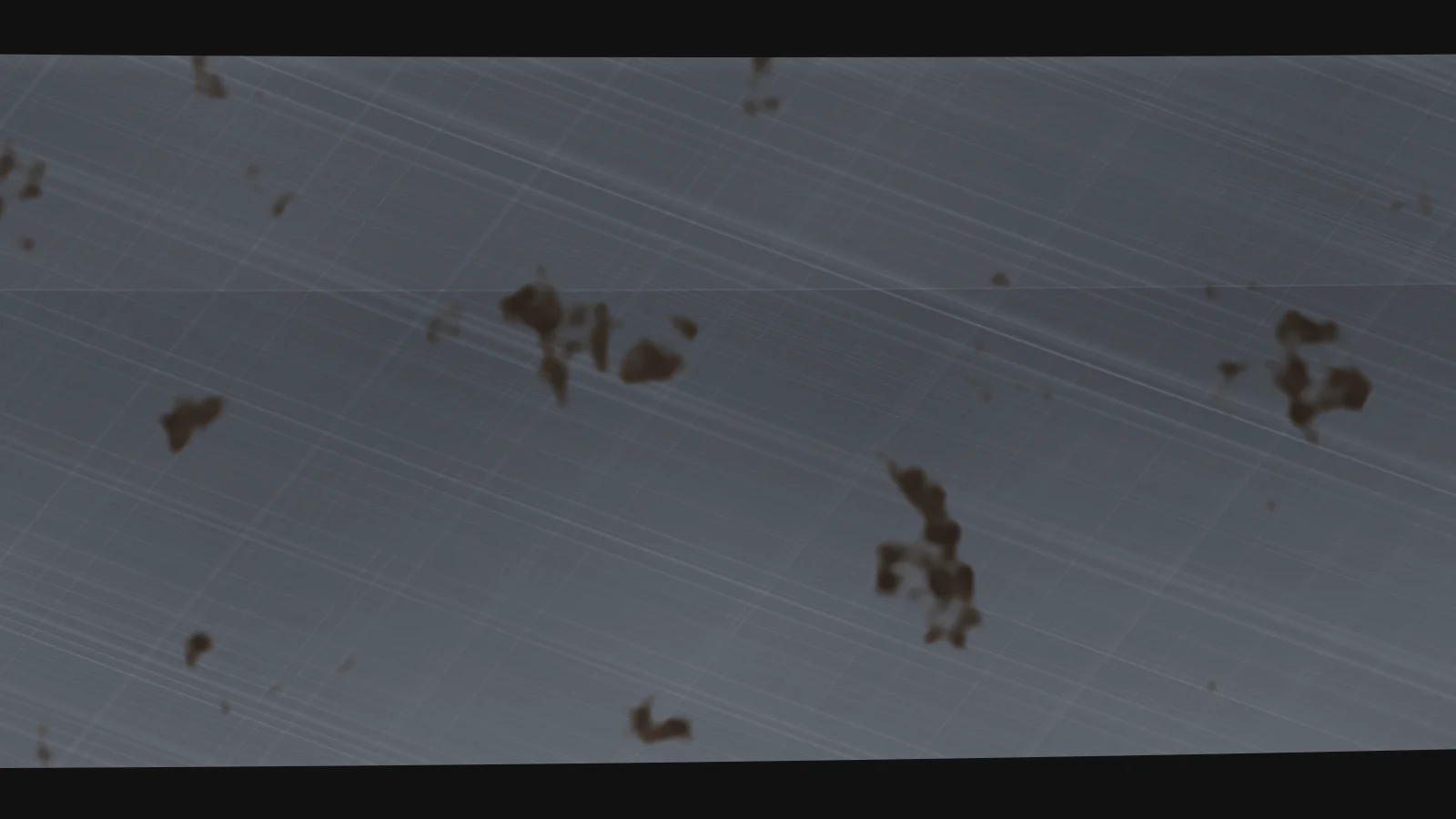
Assessment
We look at a blade in your hand or ours and tell you, in writing, whether a polish is worth it.
Est. 2011
NIOI is the workshop of Sora Inaba, who polished under a master in Okayama for nine years before setting up in Leiden. We polish about forty blades a year for collectors, museums and families who found a sword and want to know what it is.
A polish takes steel off. Done well, it shows what the smith made: the shape, the grain, the hardened edge. Done badly, it costs a blade its value for good. So we start by looking, and we write down what we see.
Every stone takes steel away. After the seventh, you can read the smith again.
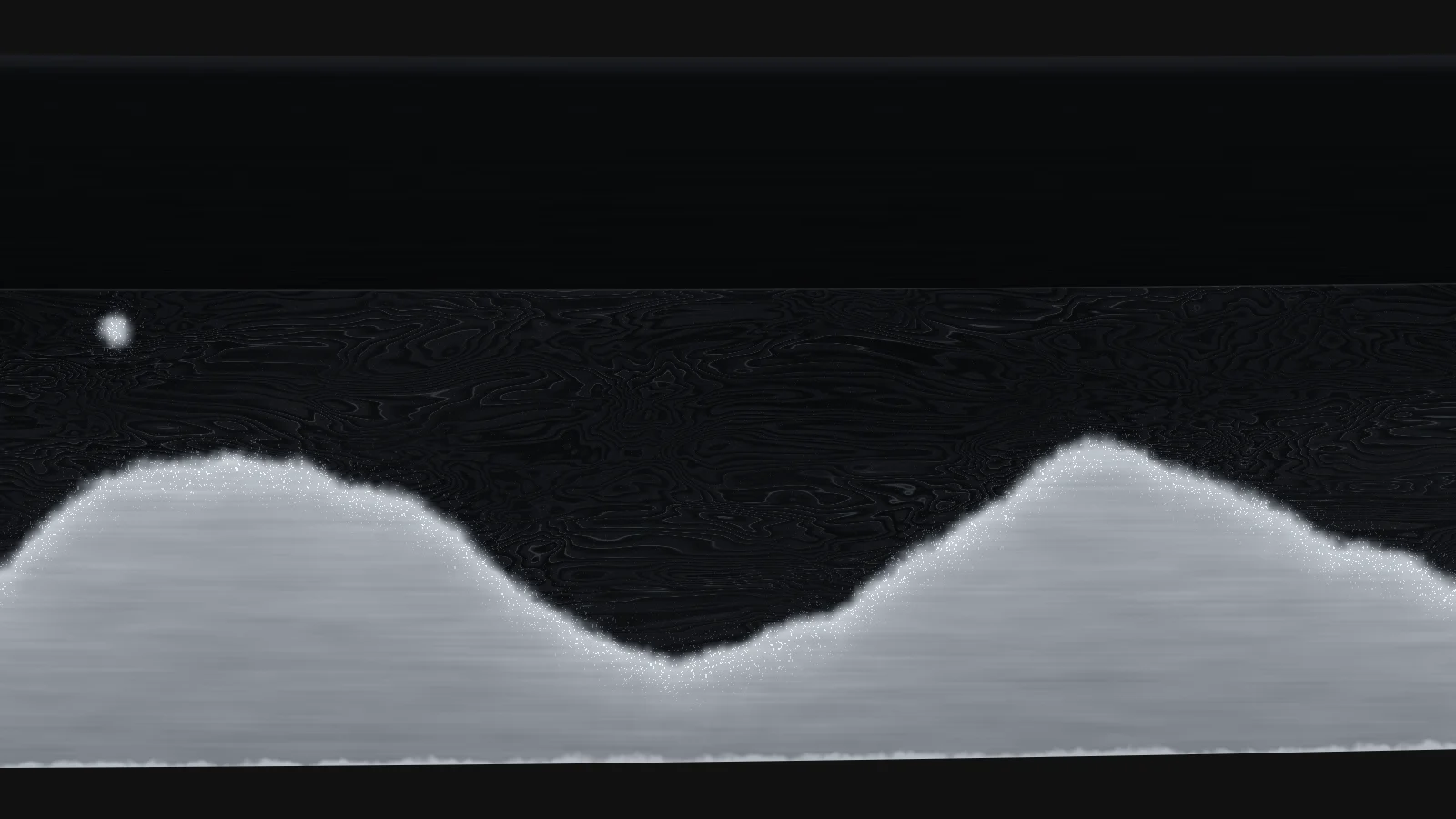
The hamon is the outline of the hardened edge, made when the smith quenched the blade under clay. Rust, old scratches and a tired polish hide it. The stones and the finishing steps bring it back without moving the lines the smith set.
From rustto mirror
Old polish, rust and handling marks. We photograph and measure before anything touches the steel.
See each step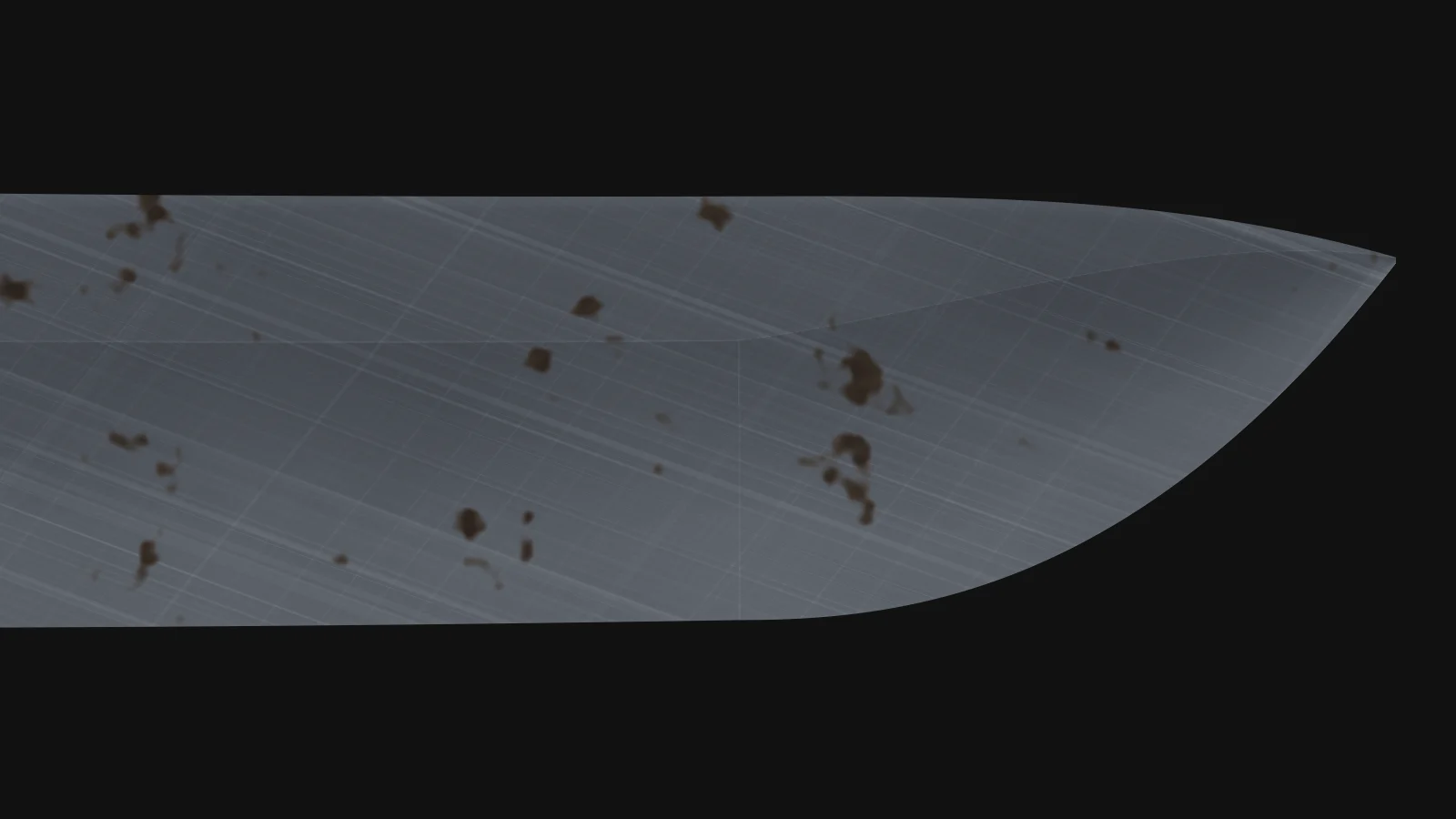
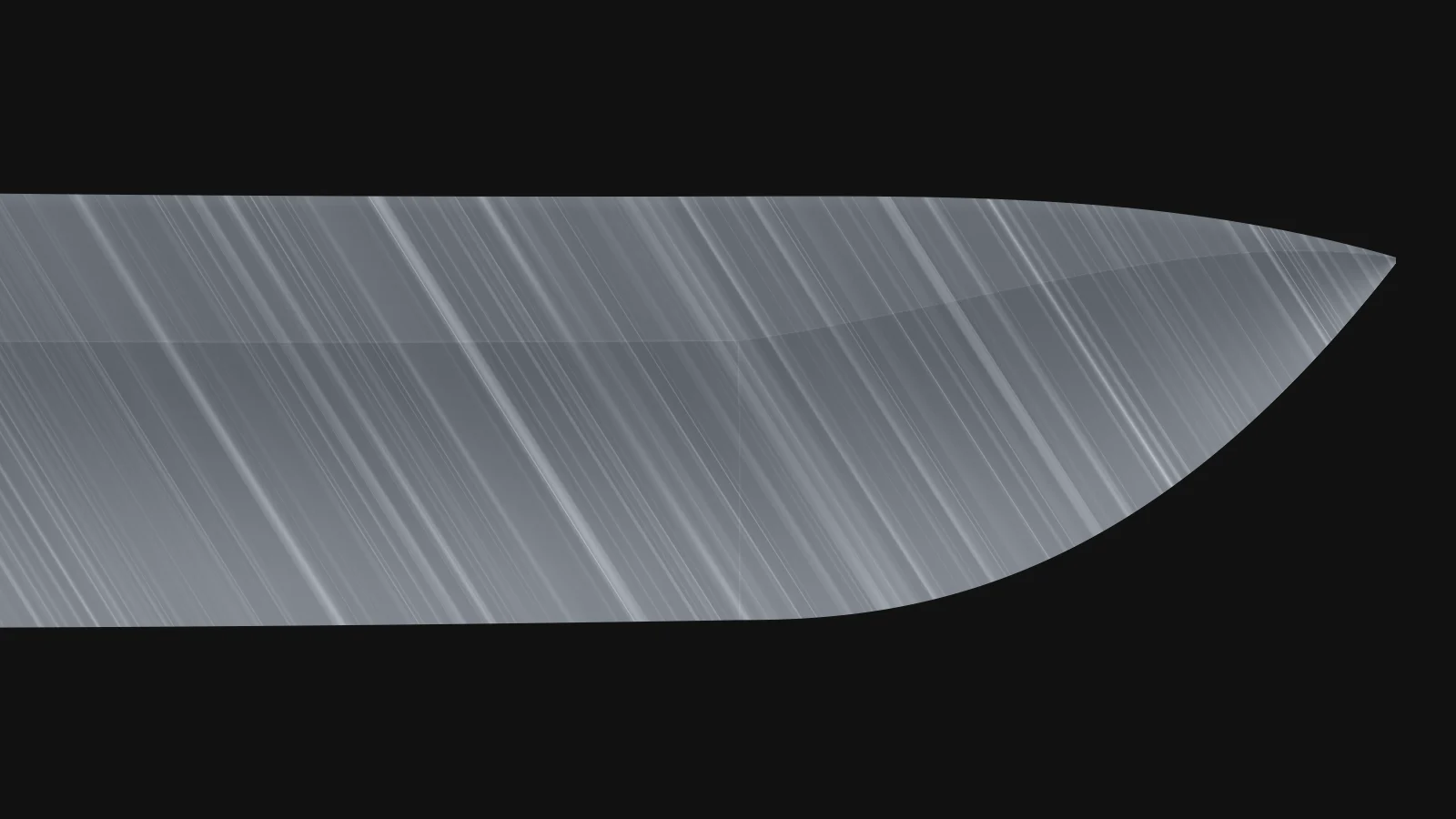

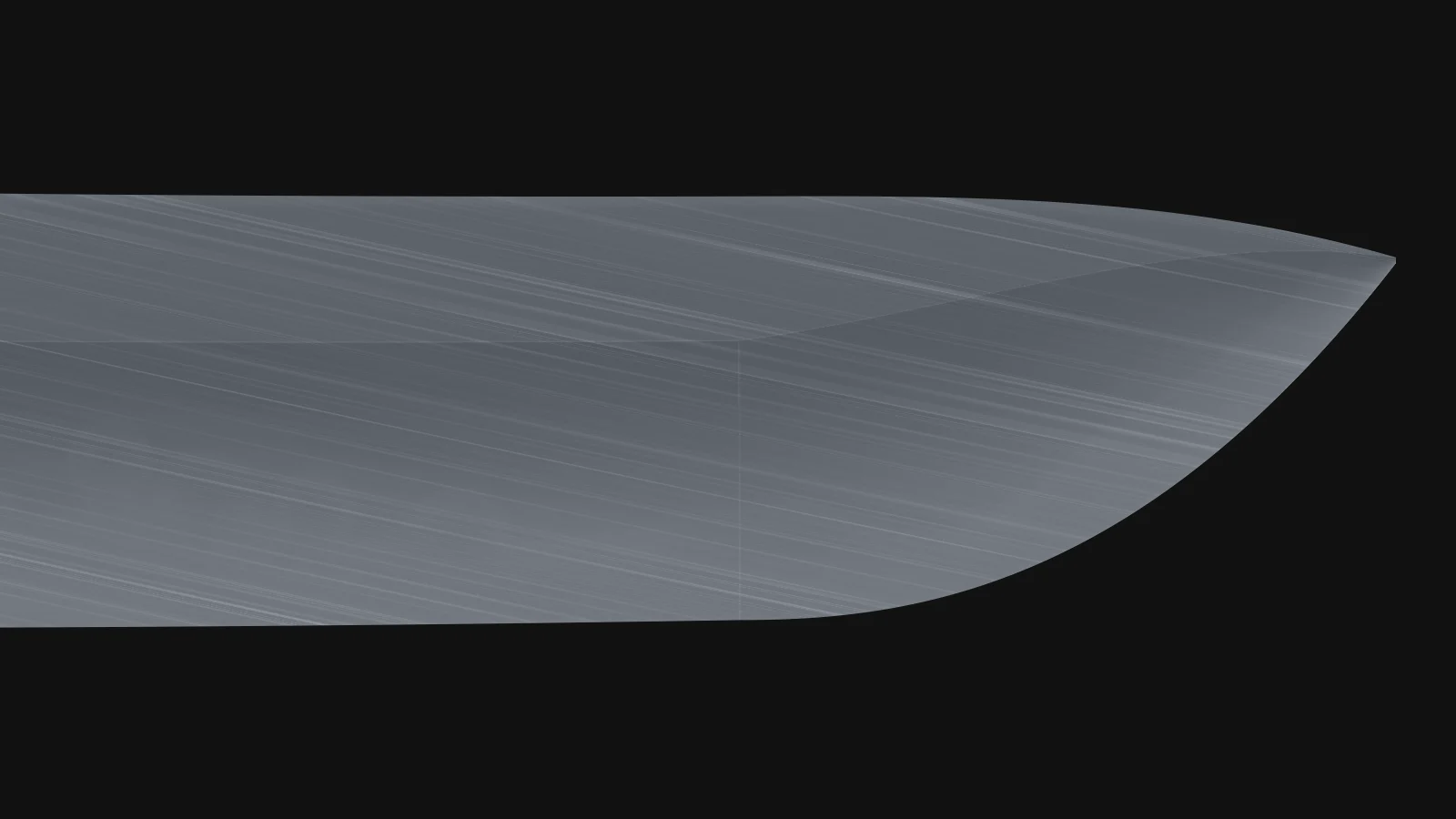
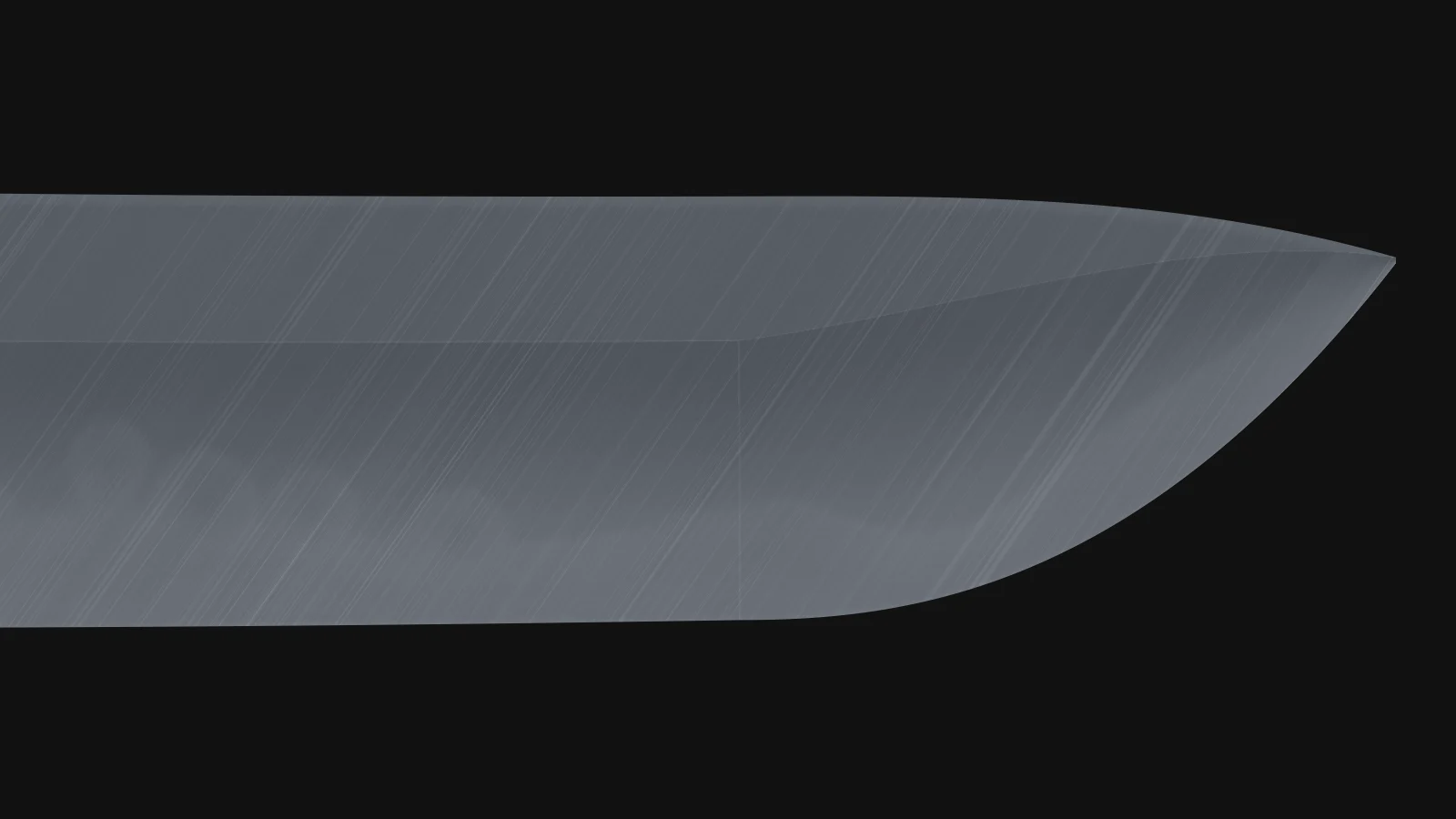
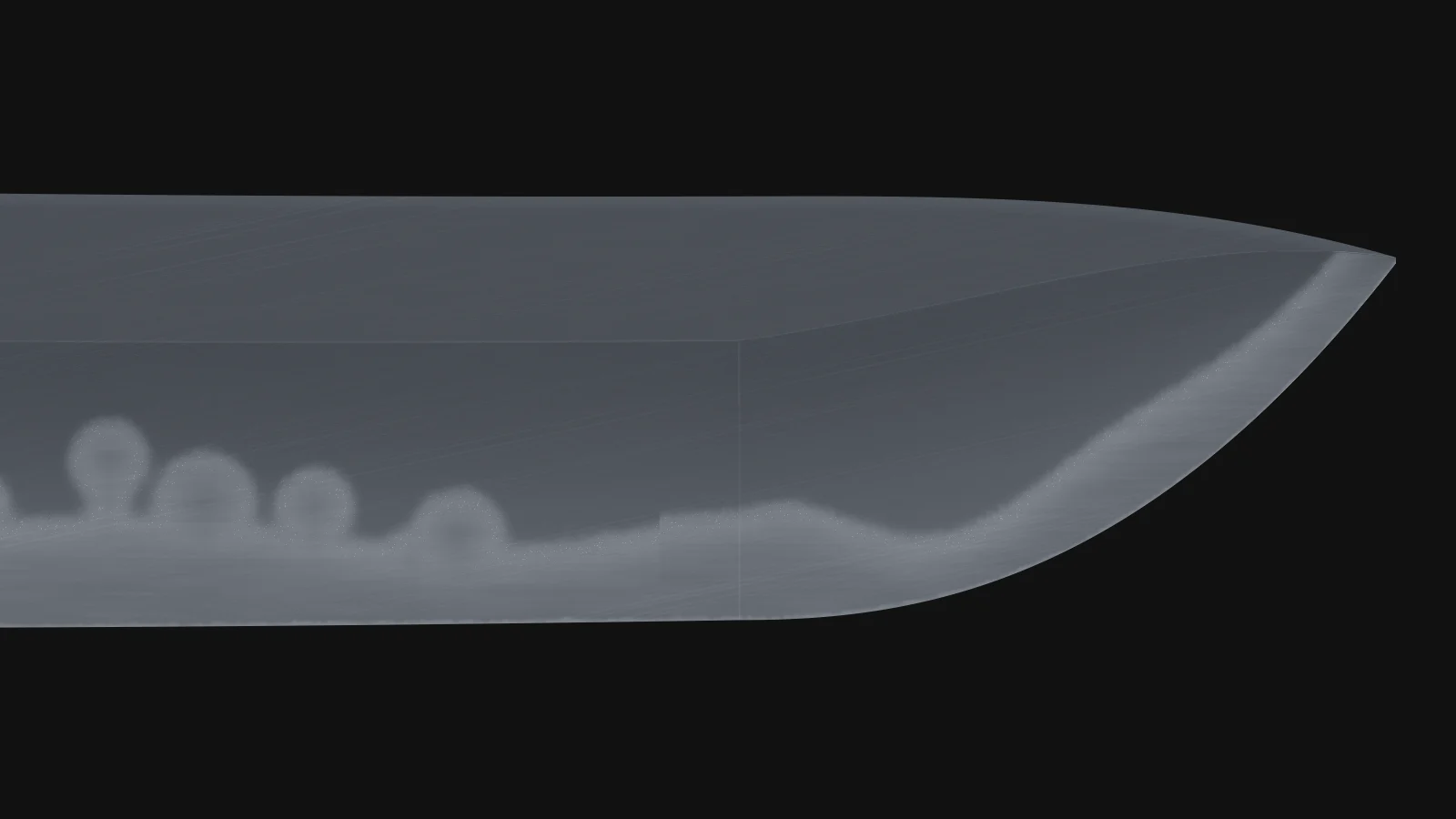
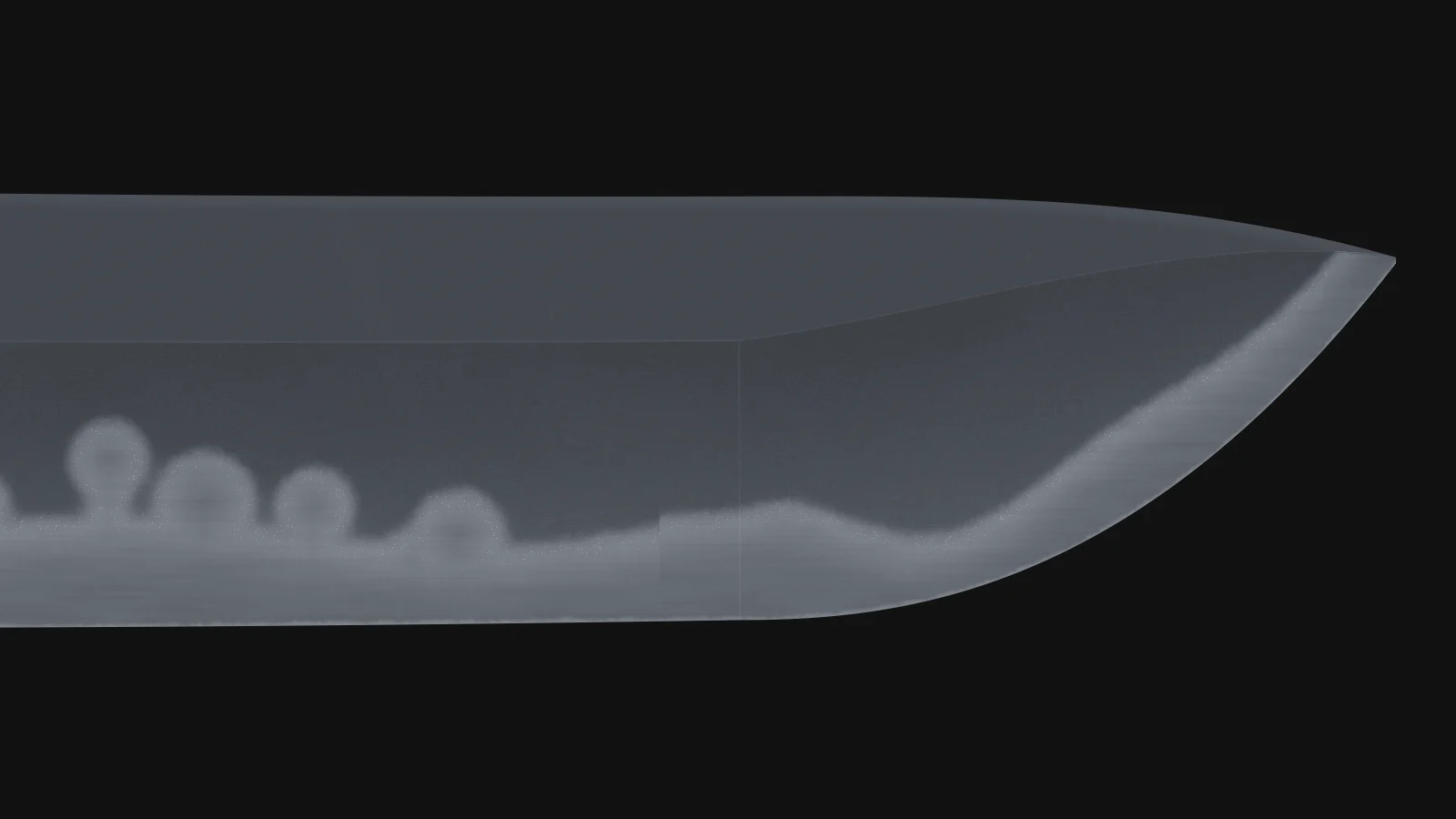
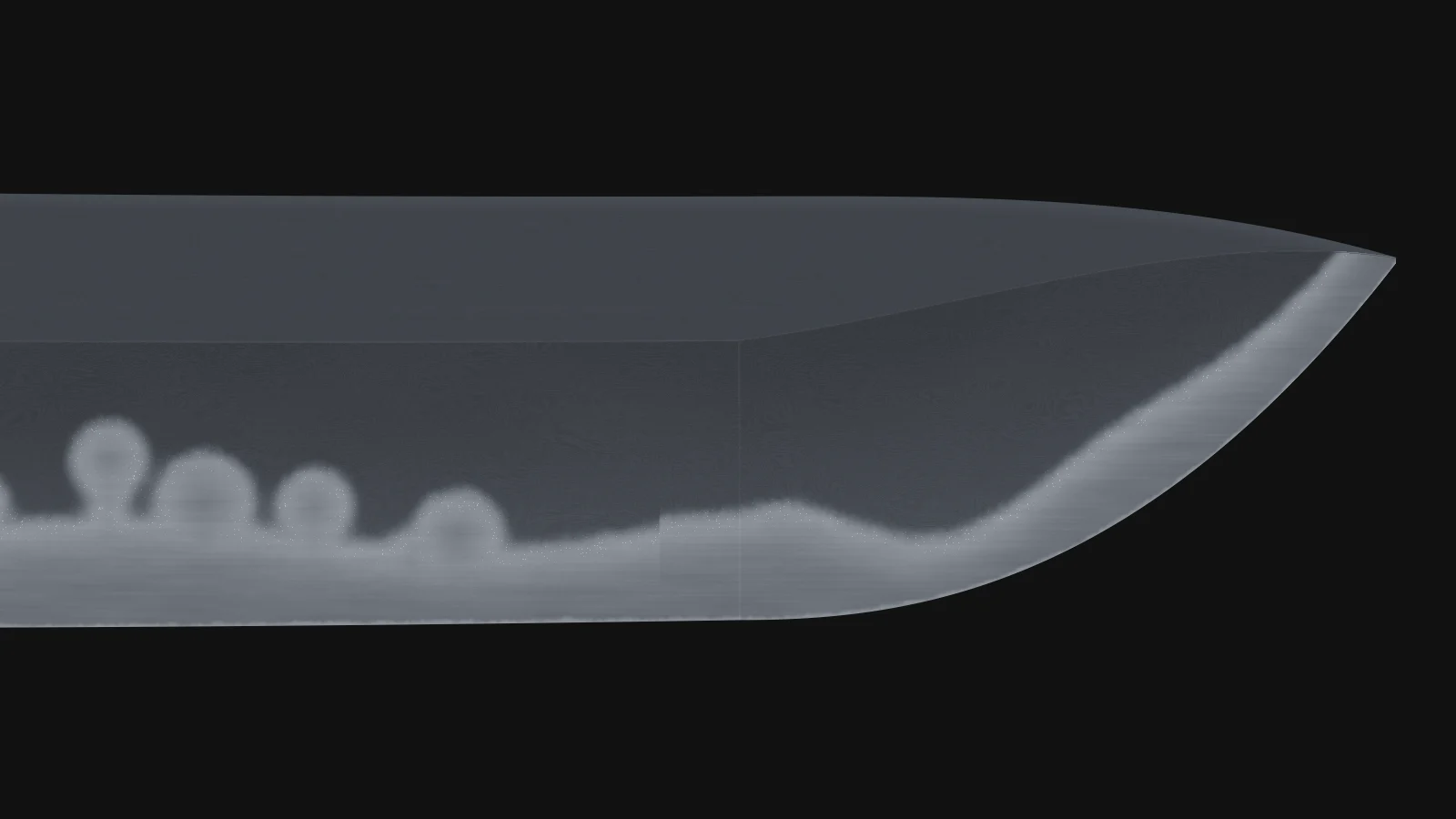
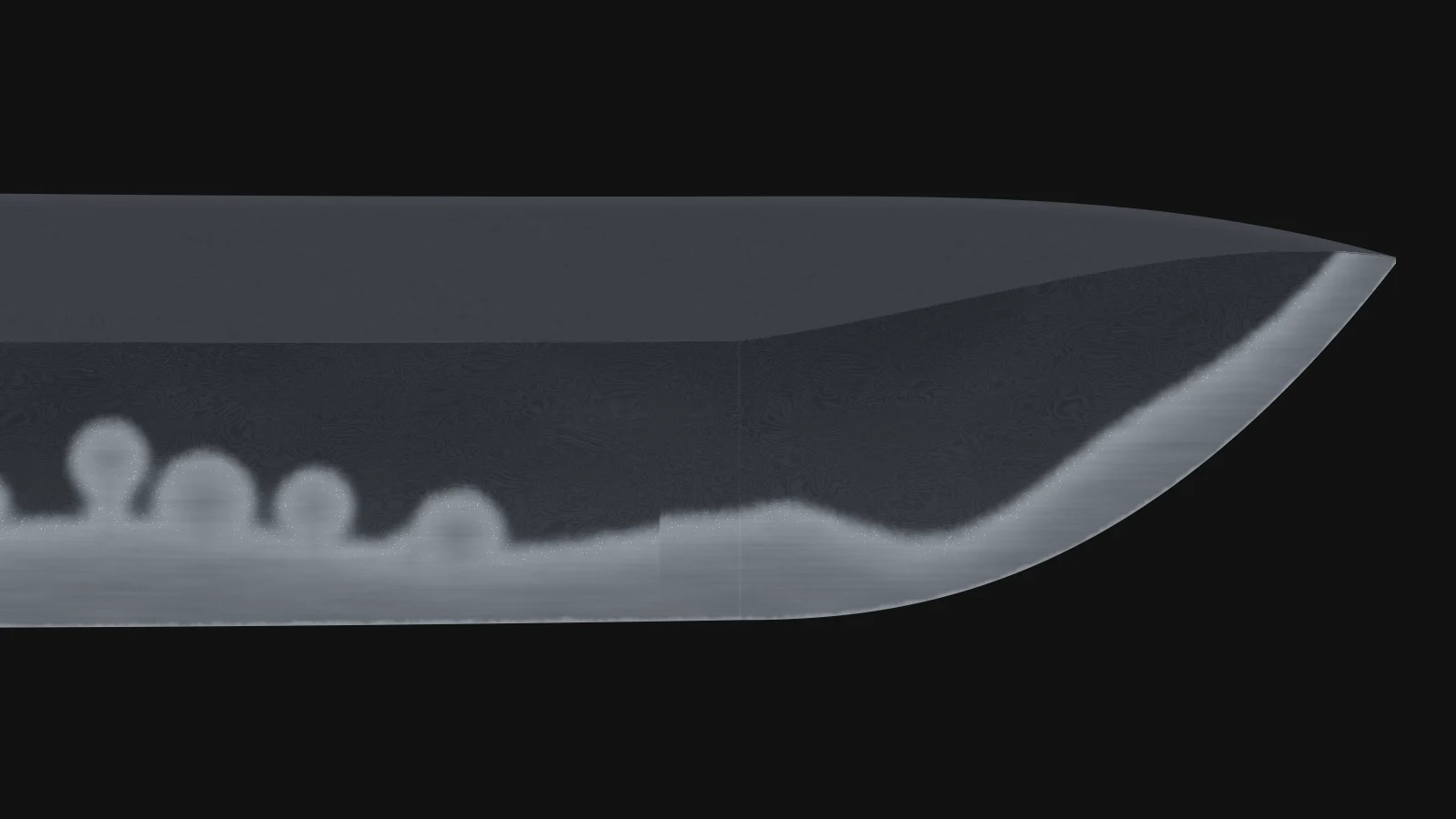
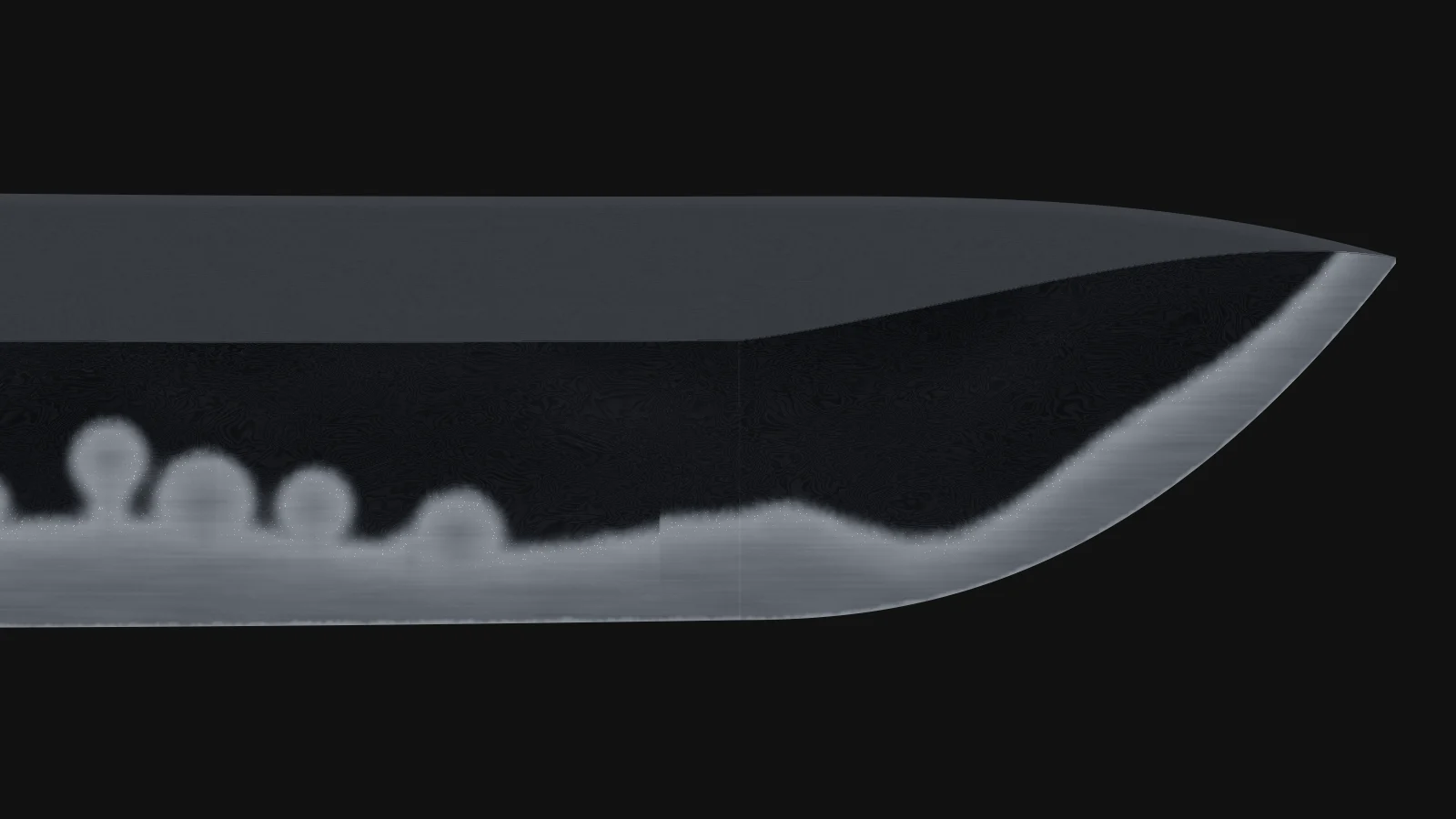
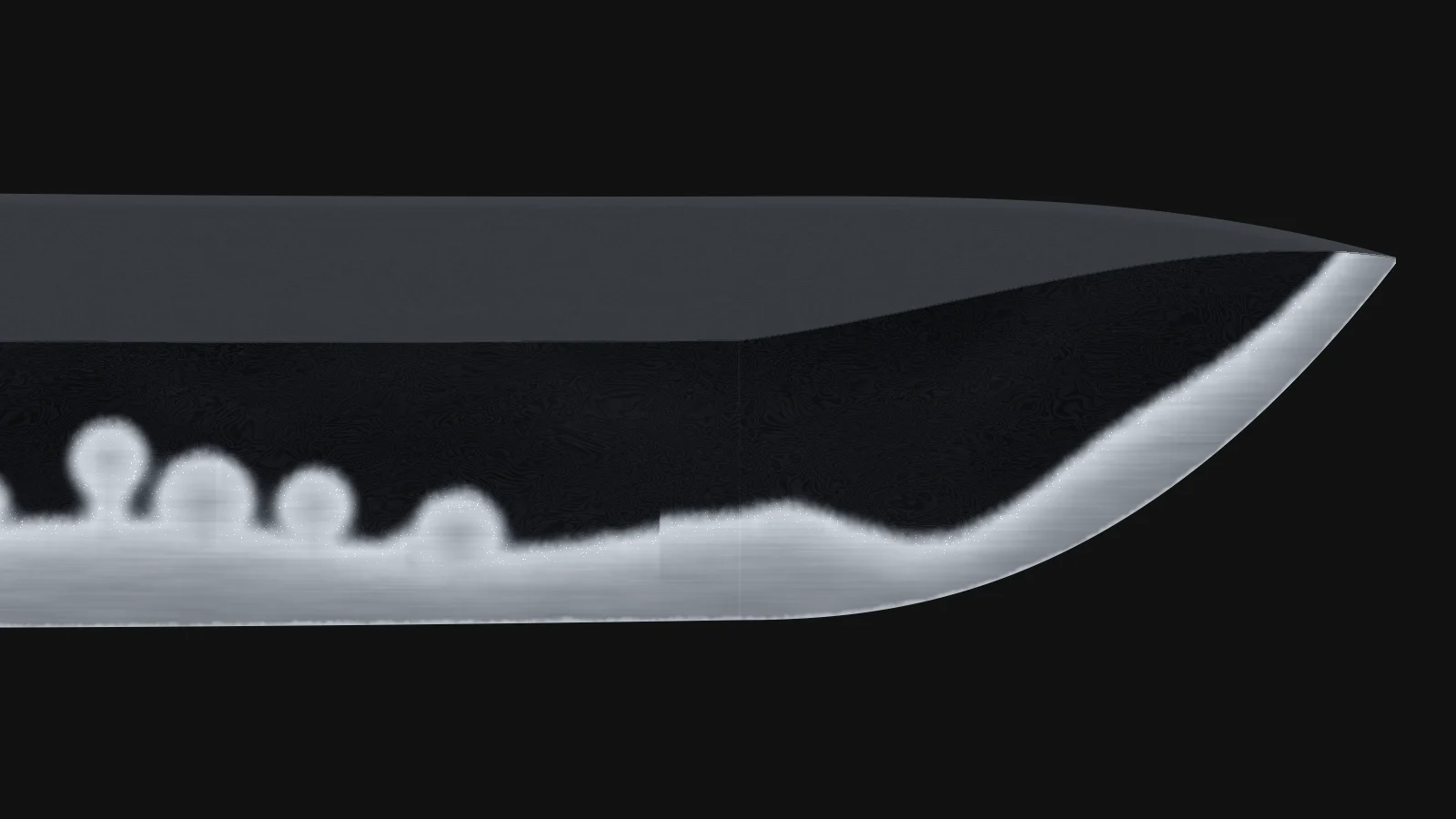
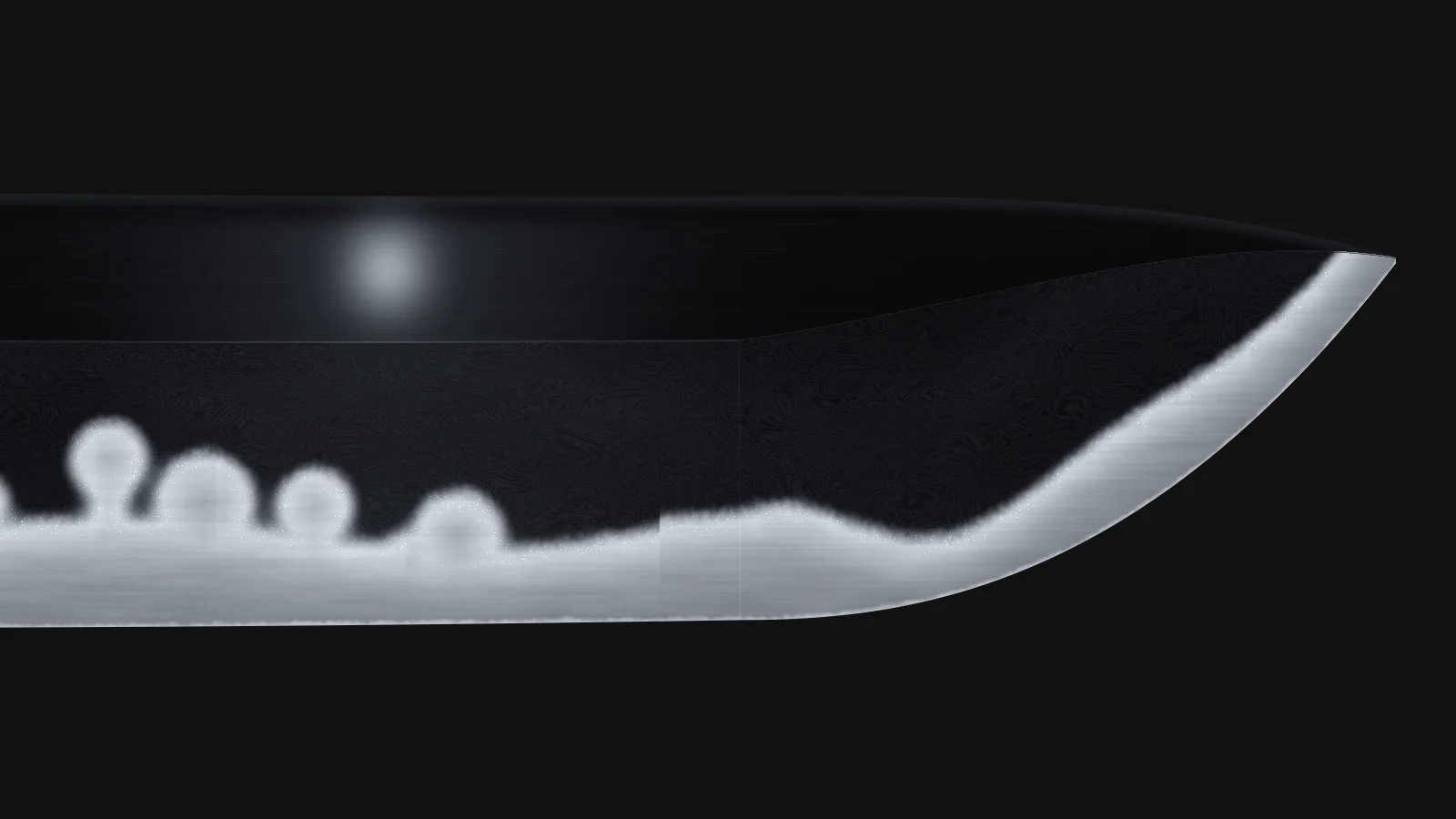 Bizen Sukesada · the point
From the register
Send us photographs of your blade.
Both sides, the point and the tang, in daylight. We reply within a week with what we see, whether a polish makes sense, and what it would cost.