
PhoenixMountain
1,497 mThe Phoenix Mountains rise above Chaozhou in eastern Guangdong. Their highest peak, Niaoji, is the roof of the Chaoshan region. Phoenix Dancong comes from these slopes and nowhere else.
Sunrise on the Han River, Chaozhou. Public domain
ancient tea trees on the slopes toward the main peaks, many of them 200 to 400 years old.
years: the age some of the oldest trees are believed to reach, back to the Song dynasty.
of raw tea, about 13 jin, from the oldest trees each spring. They are picked once a year.
years of tea growing here, most of all on the misty high slopes of Wudong Peak.
Single
bush
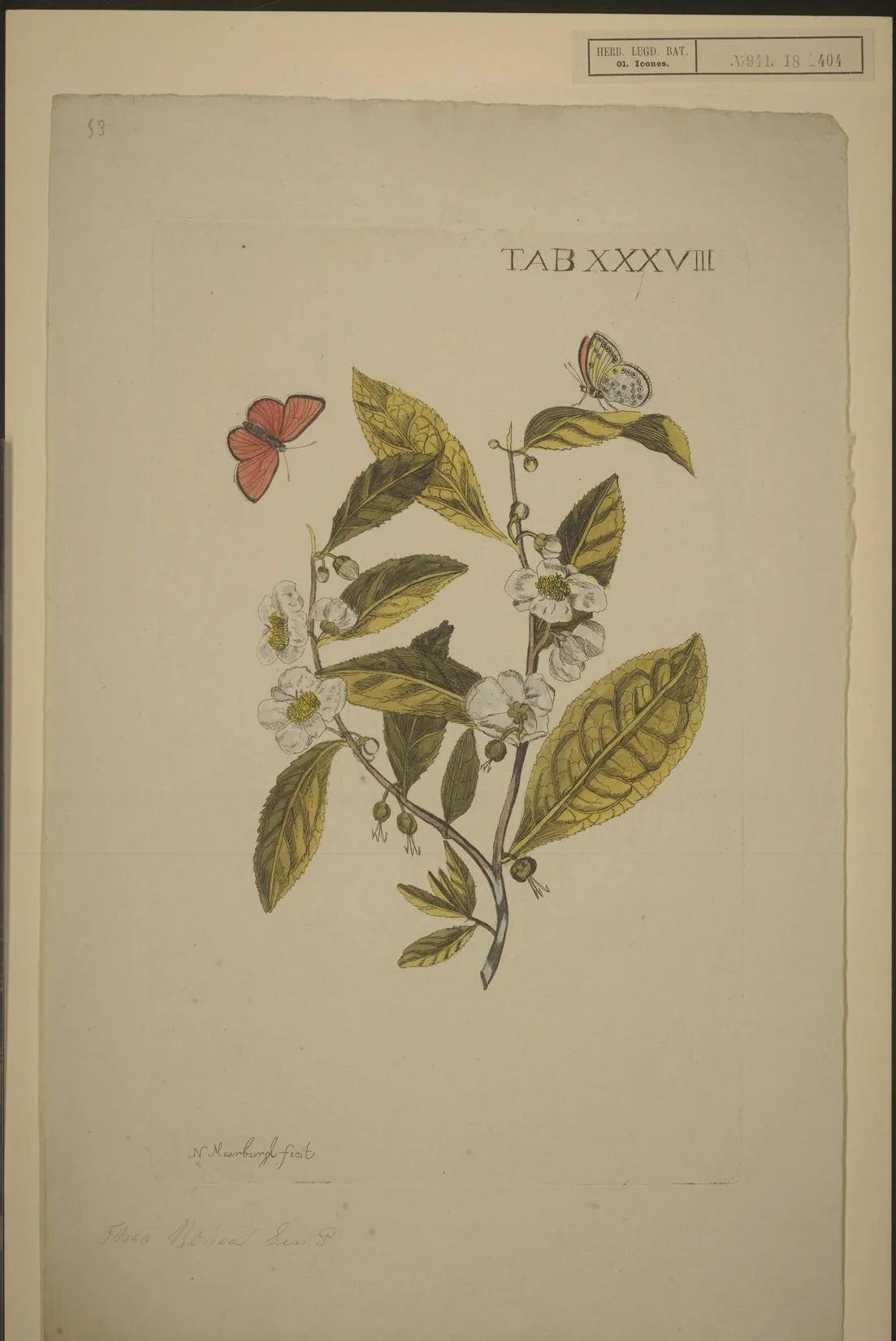
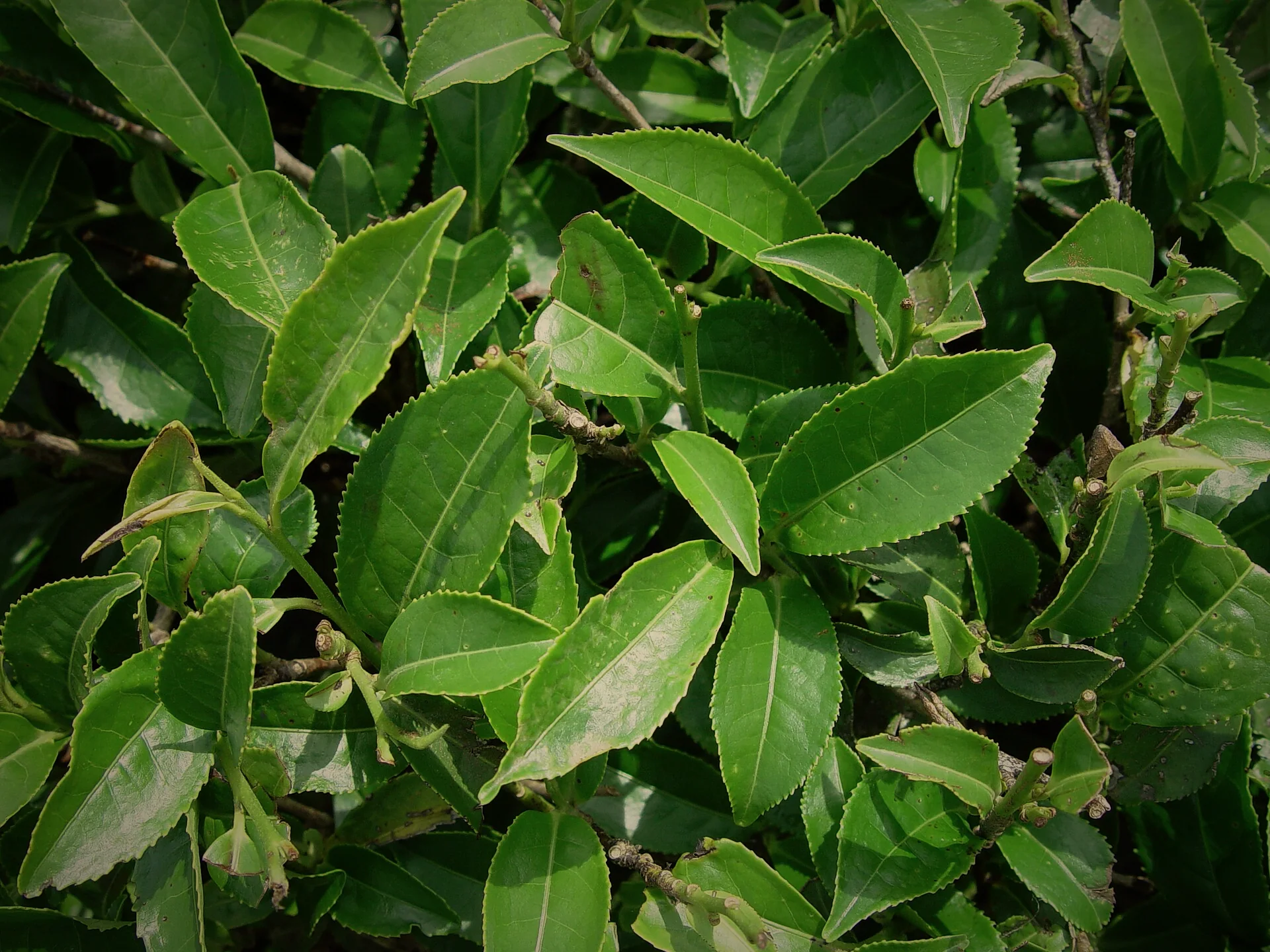
Dancong means single bush. The name once meant that every leaf in a batch was picked from one tree and processed on its own.
Today it is the family name for all Phoenix Mountain oolongs. True single-tree teas are still made, but they rarely leave China. The ones we pour are named, as the mountain names them, for their aroma.
How the leafis made
Leaf to strip- 01
Plucked
By hand for the best tea, in spring.
- 02
Withered
Oolong is laid out under strong sun. The leaf can lose more than a quarter of its weight in water.
- 03
Tossed
Shaken and tossed in a bamboo tray until the edges bruise. Bruising starts the oxidation.
- 04
Oxidised
Left to darken. Oolongs stop anywhere between 8 and 85 percent, and this step makes much of the colour and aroma.
- 05
Fixed
Heated, traditionally in a wok, to stop oxidising where the maker wants. The word is shāqīng, kill-green.
- 06
Rolled and fired
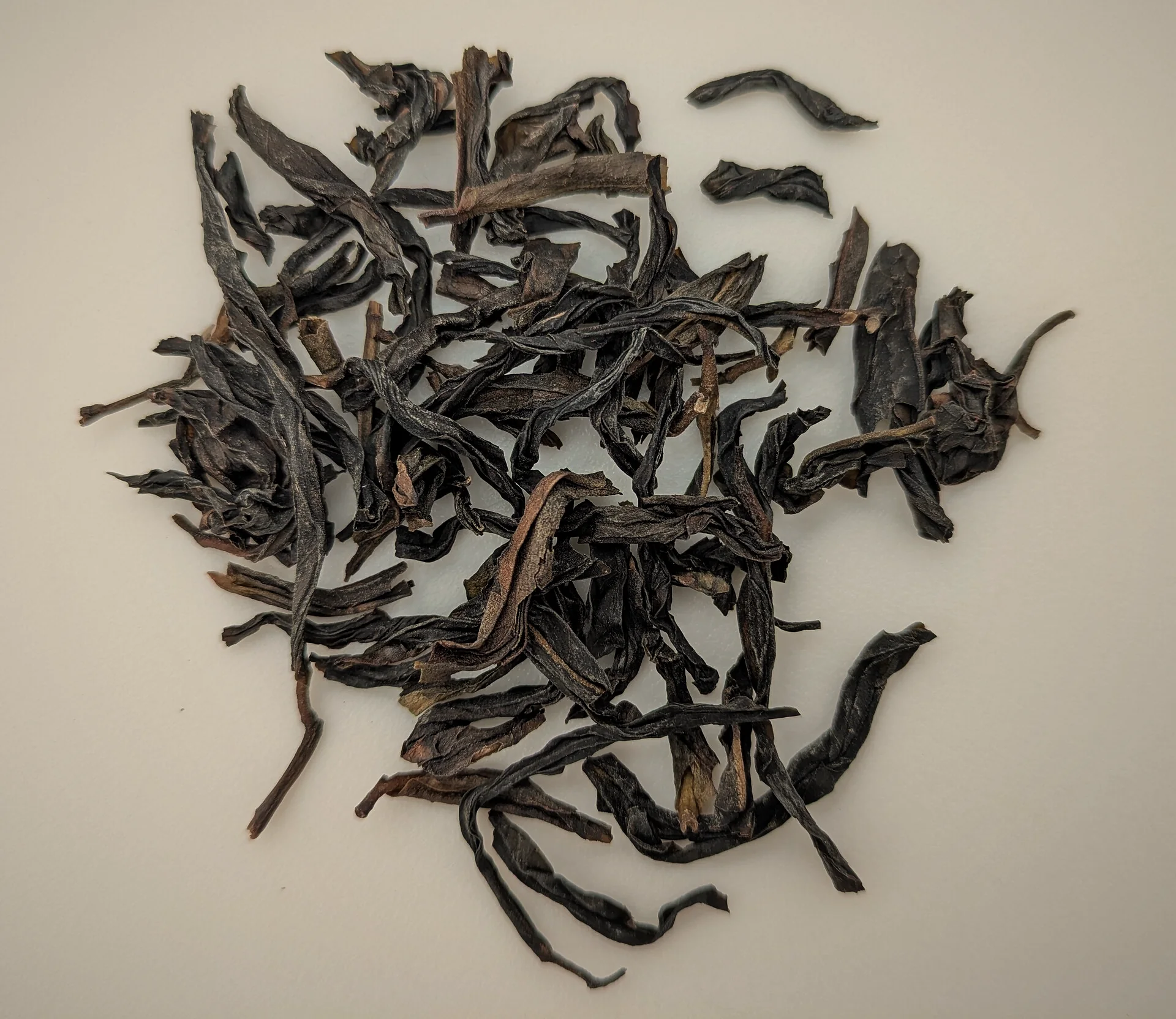
Rolled into the long twisted strips Dancong is known for, then dried. Oolong fired over charcoal can improve with age.
Southern Song dynasty
Older than
the name
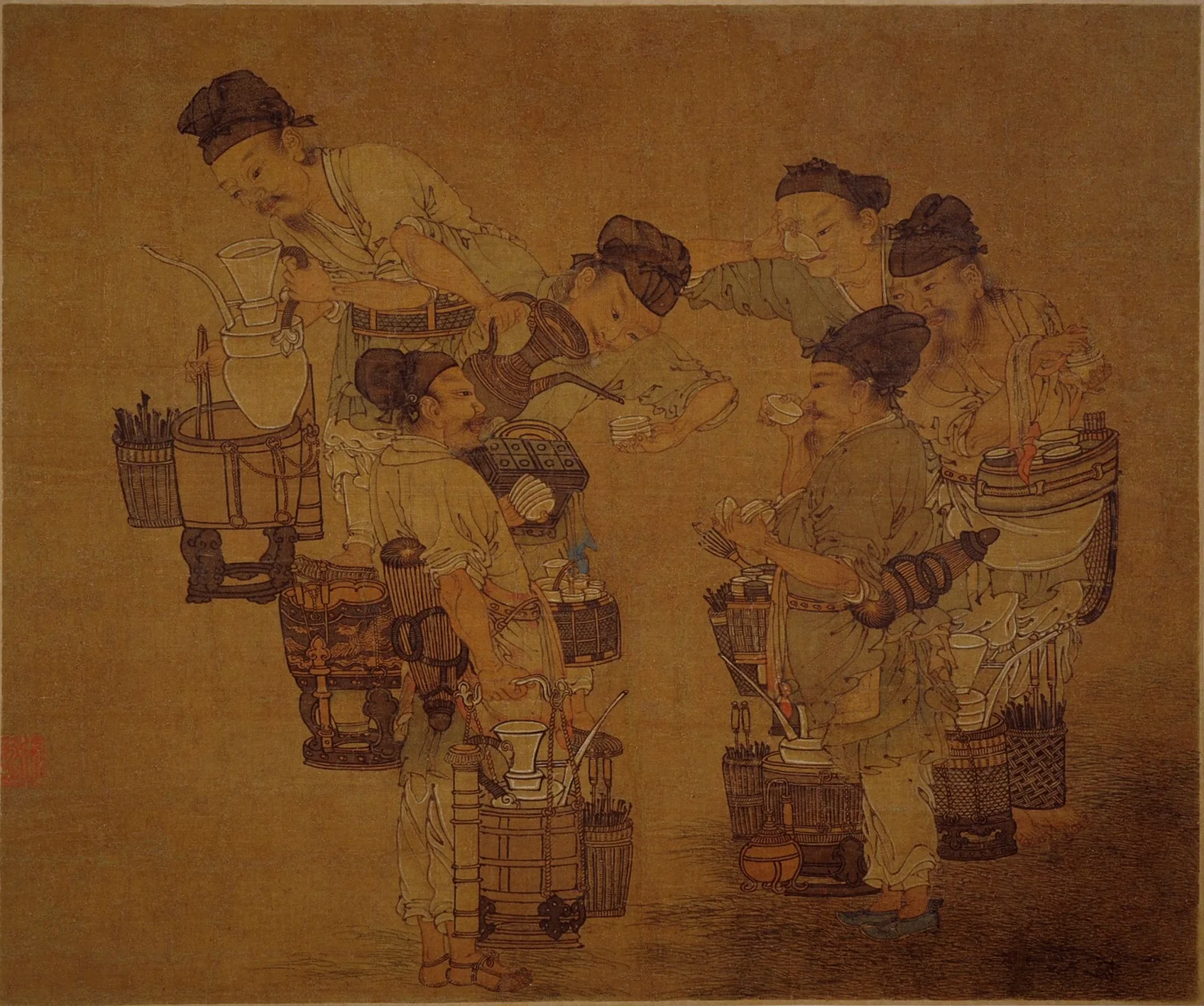
The oldest trees on the mountain are thought to date to the Song, the same dynasty as this painting of tea sellers testing each other's tea. The word oolong first appears for a tea in 1857.
斗浆图, Tea Fighting, Southern Song. Public domain