Field note 01
The cross that left a shadow
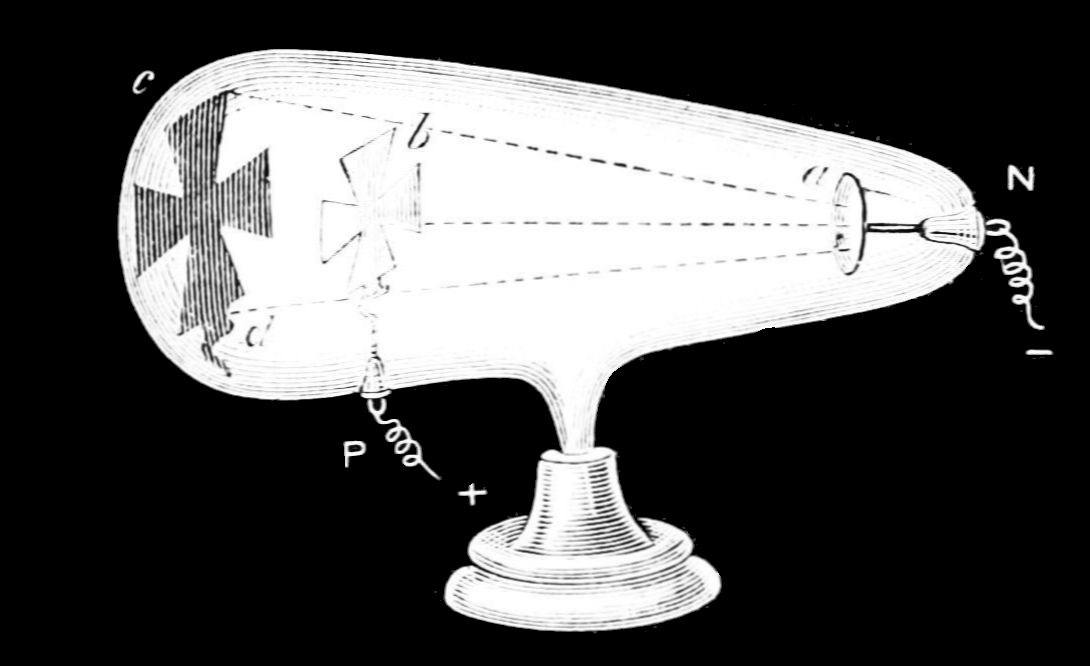
In 1869 William Hittorf noticed that something leaving the cathode of a vacuum tube travelled in straight lines, and he knew it because it cast a hard shadow. Put a Maltese cross in the beam's path and its shape is left on the glowing wall behind it: dark where the cross blocked the beam, bright where it did not. Ten years later the engraving beside this text printed the demonstration in Popular Science Monthly.
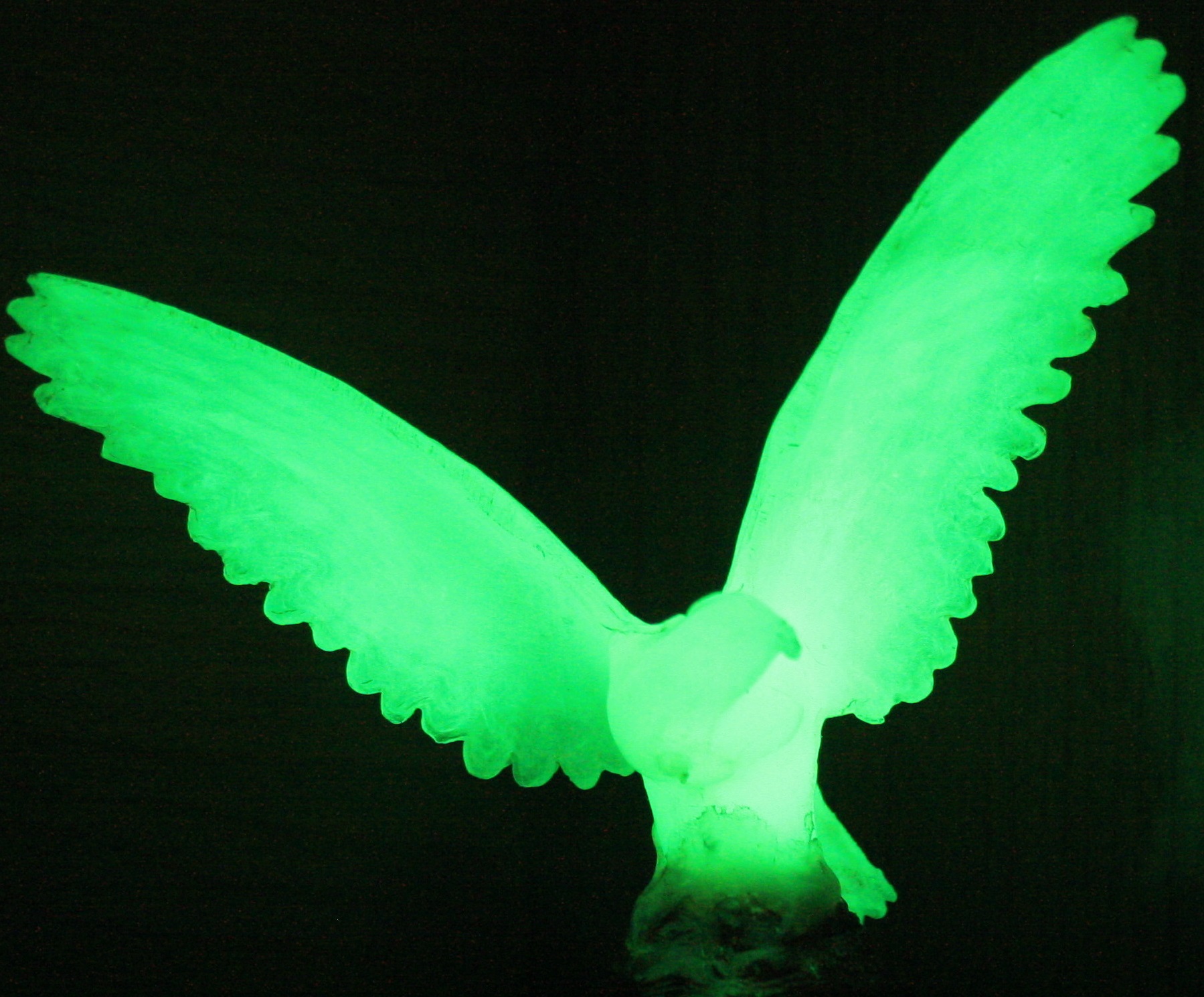
The reason the picture stays for a moment after the beam has moved on is that the wall is a phosphor: it absorbs the energy and gives it back slowly. That is the whole mechanism of this studio's name, and it is 150 years old.