Phosphor
SCREEN 40 PLANES · RASTER 1.5π · CHARGE 4.0s
A phosphor absorbs light and gives it back slowly, from a fraction of a second to twelve hours, depending on the material. Every square behind this word is one of our builds, glowing for as long as its own decay time allows.
Move the beam across a square to hold it. Click one to open the project.
What we
do
Three things, done by hand, by two people. We take on about six projects a year so that each one gets the time its decay time claims.
-
01
Markup & front-end
We write the HTML, CSS and JavaScript ourselves. No page builders, no bought themes, no markup that nobody on the team can read six months later. The team that writes the page is the team you talk to, and it is still there when you need the second version.
-
02
Design systems
A type scale, a colour set and a spacing rule, named once and reused on every page: a raster, in the old word for it, a fixed pattern the work follows. We build one when the site is big enough that the next page should take half the time.
-
03
Afterglow
What is left when the lights go out: how the site reads on a phone in daylight, what happens on a slow train, whether the second year is easier than the first. Every project here is listed with its decay time, and we list the short ones too.
- charge
- hold
- decay
- quench
The
stack
One square, one build, one frame of it on screen. This is the same ribbon as the hero, seen close up: the beam charges a square, the square holds the image for a moment, and then it decays at the rate its own material would.
Selected work
Five builds of fifty-nine, each name cut out of its own capture. The pin holds the row; the scroll moves it.
Scroll to move through the work
Where this
comes from
The idea that a screen holds a picture after the beam has moved on is not a new one. In 1879 the Popular Science Monthly printed these two engravings of a Crookes tube: an electron beam strikes a phosphorescent wall, and a Maltese cross in its path leaves a shadow that keeps glowing after the beam has passed.
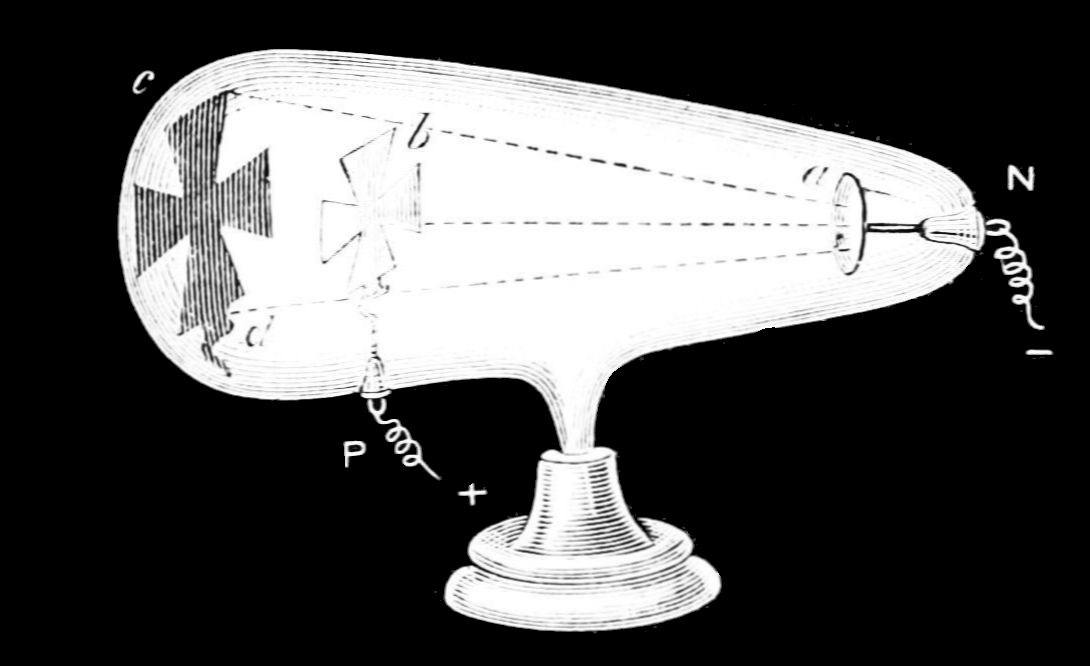
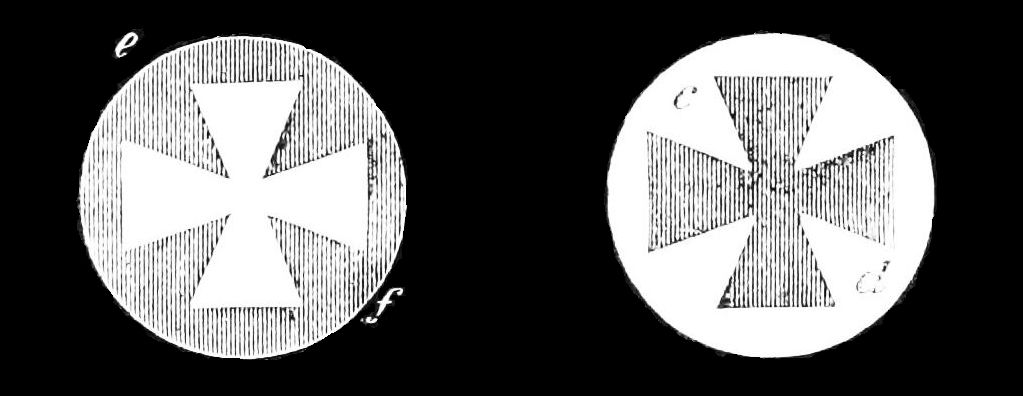
William Hittorf noticed that something leaving the cathode travelled in straight lines, because it threw a hard shadow. Ferdinand Braun put a phosphor-coated screen in the tube in 1897 and made the first display. The same principle ran every television set until the late 2000s: one beam, a fixed pattern it follows, and a material that keeps the picture for a moment after the beam has gone.
That is why a radar screen can show you where an aircraft was, not only where it is: the phosphor is chosen so the blip stays long enough for the beam to come round again.
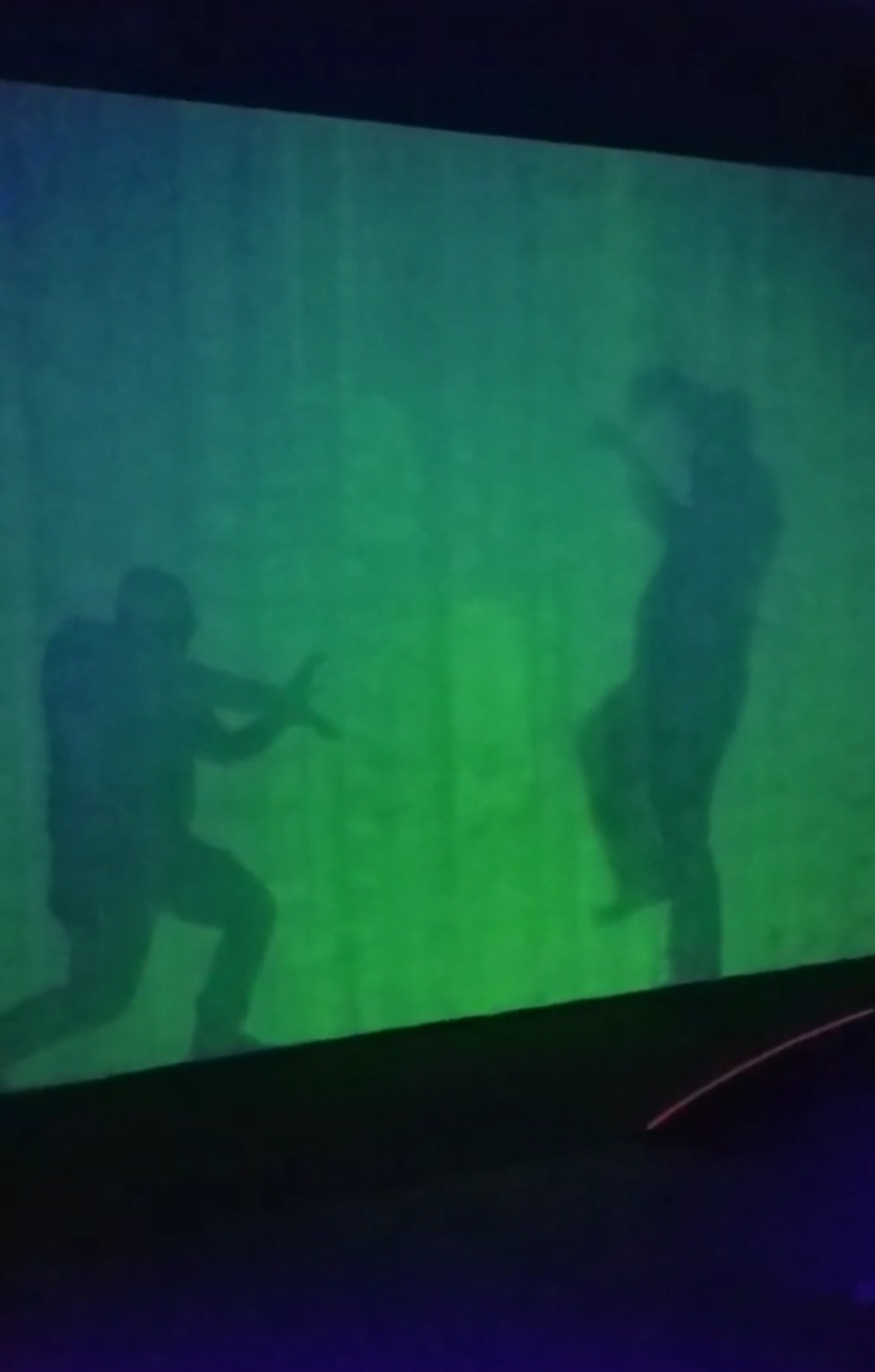
Images from Wikimedia Commons. Full licences in the credits file.
Numbers we
can back up
59
full builds on this site
Every build except the timed exercises. The fifteen-minute, thirty-minute and one-hour ones are not counted here, because a clamped brief is not the same job.
1.5π
the raster the ribbon follows
A raster is the fixed pattern a beam is scanned through. Ours is one and a half half-circles, which is why the squares never quite close on themselves.
12h
longest real afterglow
Calcium strontium sulfide with a bismuth activator keeps glowing for up to twelve hours. No page we build lasts that long. It is the material's number, not ours.
0
templates, themes or kits
Every page in the list started from an empty file. The markup is written, not assembled, which is the slow way and the one we know.