One ring a year
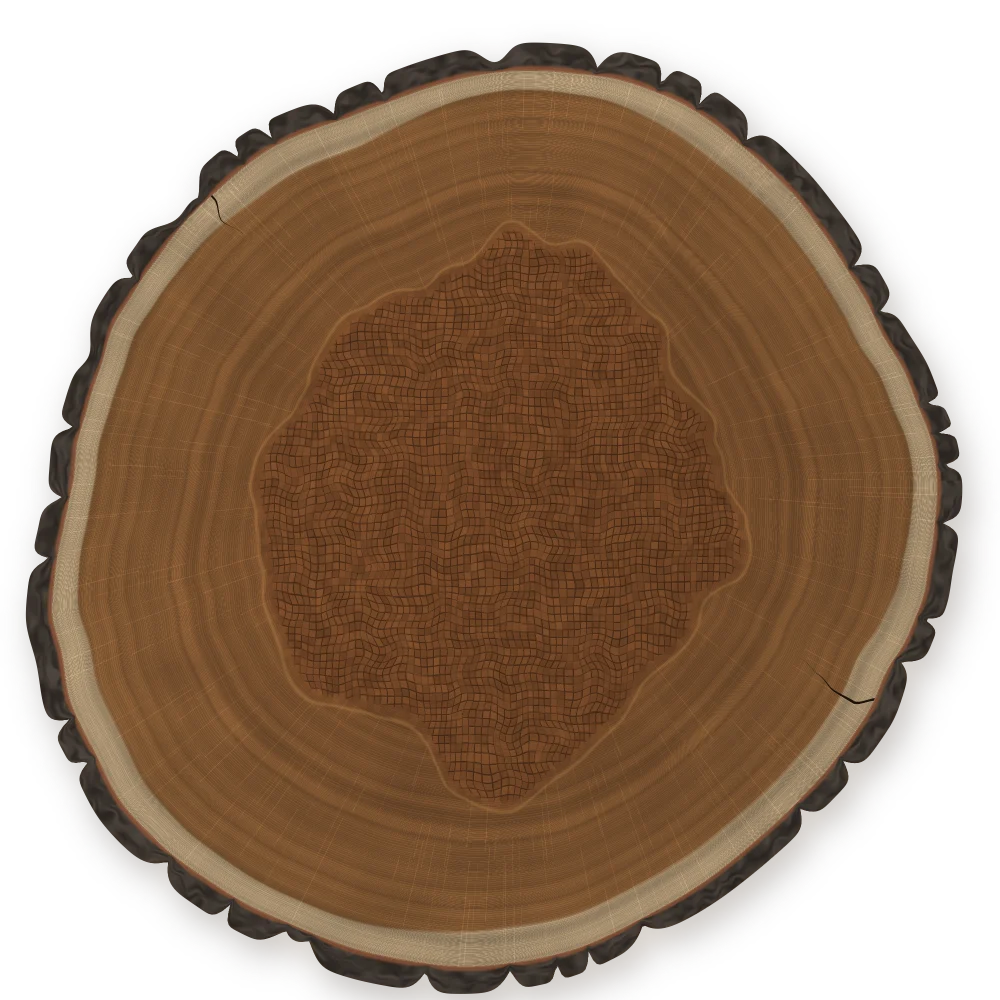
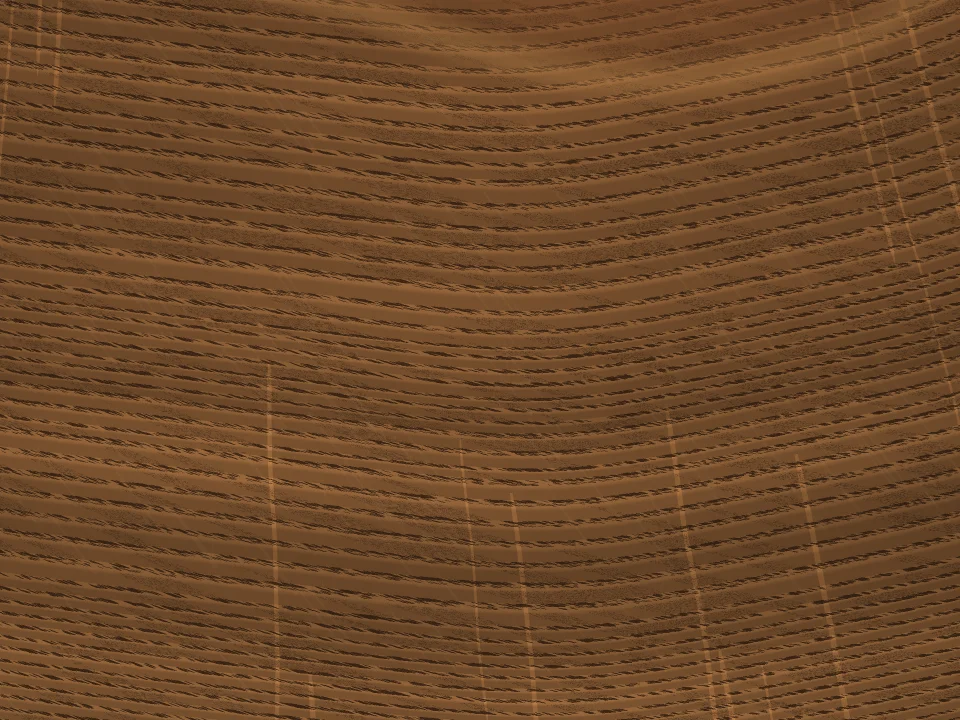
Trees in a temperate climate lay down one growth ring a year: pale, open earlywood in spring, denser latewood in summer. In oak the spring wood is marked by a band of large pores you can see without a lens.
Ring width depends on the season. A wet, warm year gives a wide ring; a drought gives a narrow one. 1976, one of the driest summers on record in England, shows as a narrow ring in many trees of the time.
Reading a stump
Count from the bark inwards: the outermost complete ring is the year the tree was cut. Narrow bands that appear in several trees from the same area are usually climate; narrow bands in one tree only are usually its own story, a neighbour shading it, or a root cut during building work.
Dendrochronologists use exactly this to date timbers in old buildings, by matching patterns of wide and narrow rings against master chronologies.
Why we care
Ring widths tell us how a tree responded to past stress. A tree that recovered well after a drought or a root injury is a tree with reserves.