TreatmentsRoot canal treatment
When the soft centre of a tooth is inflamed or infected, the tooth can usually still be saved. This is how it's done, step by step, and what you'll feel at each step.
- Visits
- Usually two
- Each visit
- 1 to 2 hours
- Anaesthetic
- Local: you're awake, the tooth is numb
- Afterwards
- Tender for 3 to 4 days, as a rule
- Fee
- From £350 (front tooth) to £650 (molar)
Beneath the enamel and dentine is the pulp: nerves and blood vessels that run down each root canal into the jaw. Deep decay, a crack or an old injury can let bacteria in. Once the pulp is infected it can't heal on its own, and the infection can spread to the bone at the root tip.
- 1Enamel
- 2Dentine
- 3Pulp: nerve and blood vessels
- 4Root canal
- 5Gum
- 6Jawbone
- 7Ligament holding the root
- 8Decay reaching inwards
- 9Inflamed or infected pulp
- 10Infection at the root tip
- 11Tooth and gum numbed
- 12Rubber dam keeps it dry
- 13Small opening in the crown
- 14Fine files clean each canal
- 15Temporary filling on top
- 16Medicine rests in the canals
- 17Gutta-percha fills each canal
- 18A crown protects what's left
-
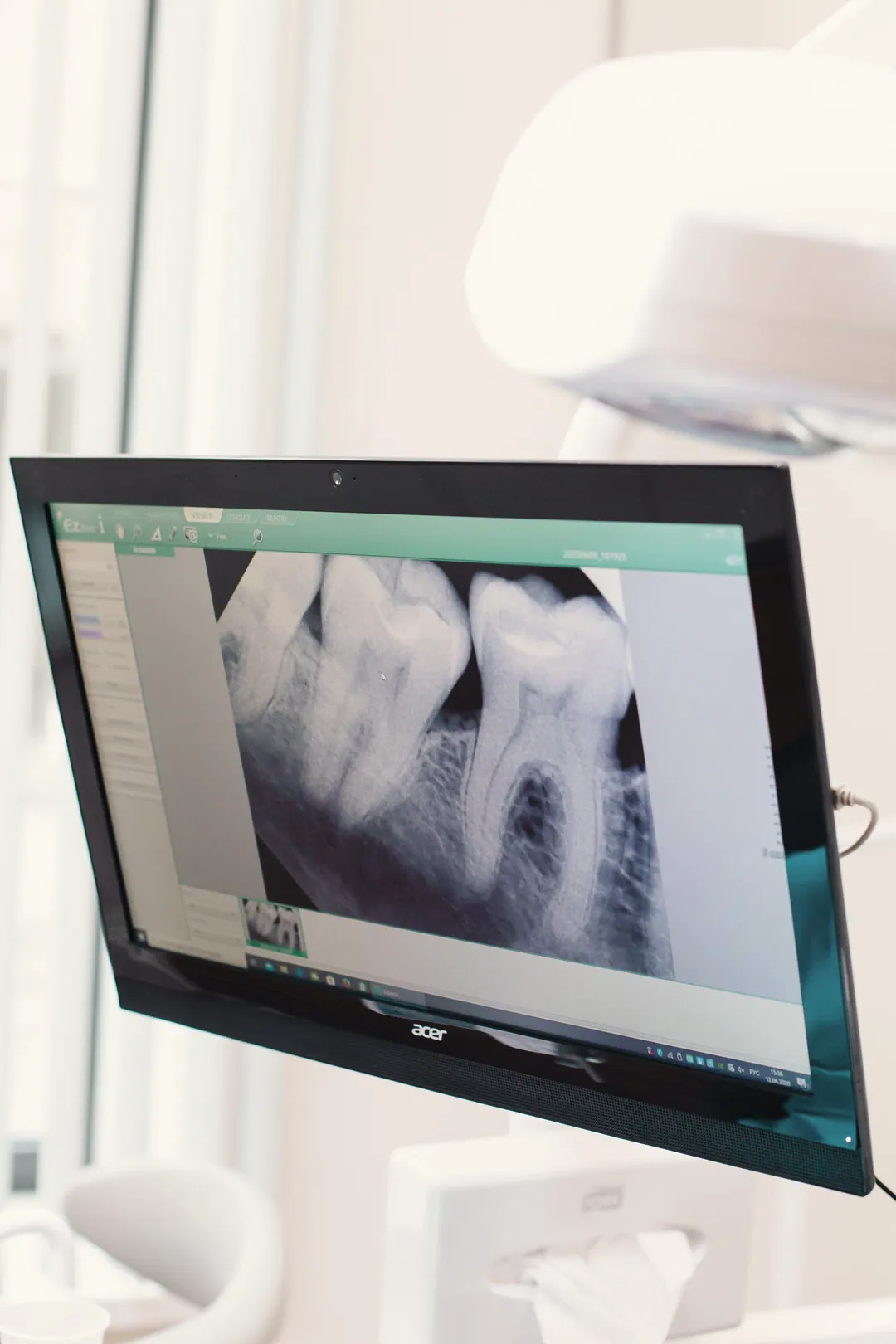
We tap and cold-test the tooth, check your bite and take an X-ray to see the roots and any infection at their tips.
What you'll feelA brief tap or a cold touch. No injection yet.
- 4Enamel
- 5Dentine
- 6Pulp: nerve and blood vessels
- 7Root canal
- 8Gum
- 9Jawbone
- 10Ligament holding the root
- 1Decay reaching inwards
- 2Inflamed or infected pulp
- 3Infection at the root tip
- 11Tooth and gum numbed
- 12Rubber dam keeps it dry
- 13Small opening in the crown
- 14Fine files clean each canal
- 15Temporary filling on top
- 16Medicine rests in the canals
- 17Gutta-percha fills each canal
- 18A crown protects what's left
-
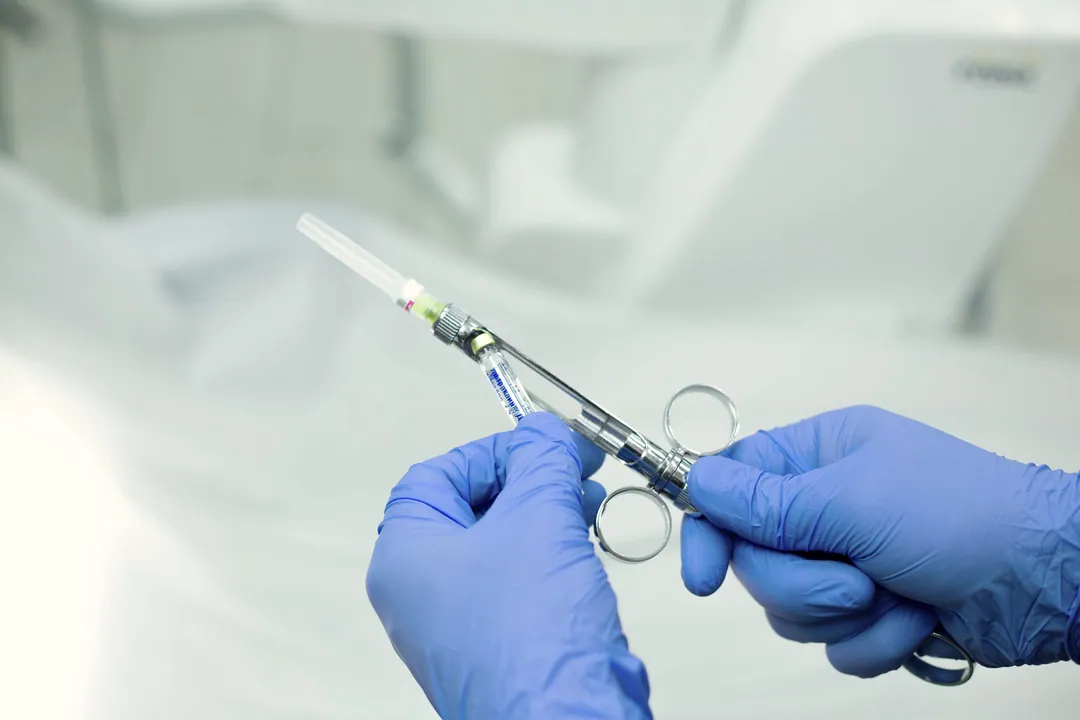
A local anaesthetic numbs the tooth and gum. A thin rubber sheet on a small clip goes round the tooth, so only that tooth is open to work on.
What you'll feelA small sting, then numbness. You breathe and swallow normally.
- 3Enamel
- 4Dentine
- 5Pulp: nerve and blood vessels
- 6Root canal
- 7Gum
- 8Jawbone
- 9Ligament holding the root
- 10Decay reaching inwards
- 11Inflamed or infected pulp
- 12Infection at the root tip
- 1Tooth and gum numbed
- 2Rubber dam keeps it dry
- 13Small opening in the crown
- 14Fine files clean each canal
- 15Temporary filling on top
- 16Medicine rests in the canals
- 17Gutta-percha fills each canal
- 18A crown protects what's left
-
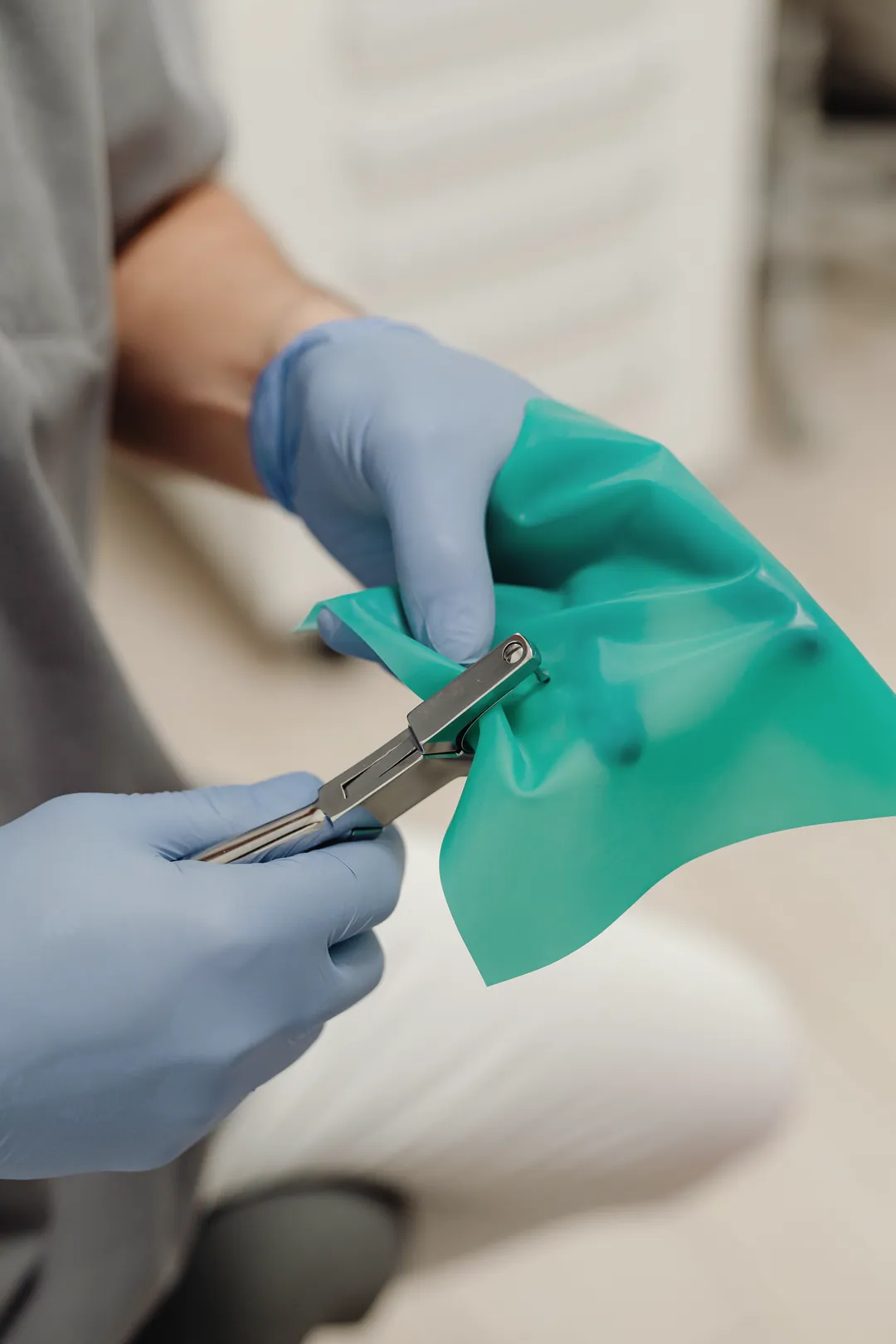
A narrow opening is made through the enamel and dentine into the pulp chamber, and the inflamed or infected pulp is removed.
What you'll feelVibration and pressure, but no pain.
- 2Enamel
- 3Dentine
- 4Pulp: nerve and blood vessels
- 5Root canal
- 6Gum
- 7Jawbone
- 8Ligament holding the root
- 9Decay reaching inwards
- 10Inflamed or infected pulp
- 11Infection at the root tip
- 12Tooth and gum numbed
- 13Rubber dam keeps it dry
- 1Small opening in the crown
- 14Fine files clean each canal
- 15Temporary filling on top
- 16Medicine rests in the canals
- 17Gutta-percha fills each canal
- 18A crown protects what's left
-
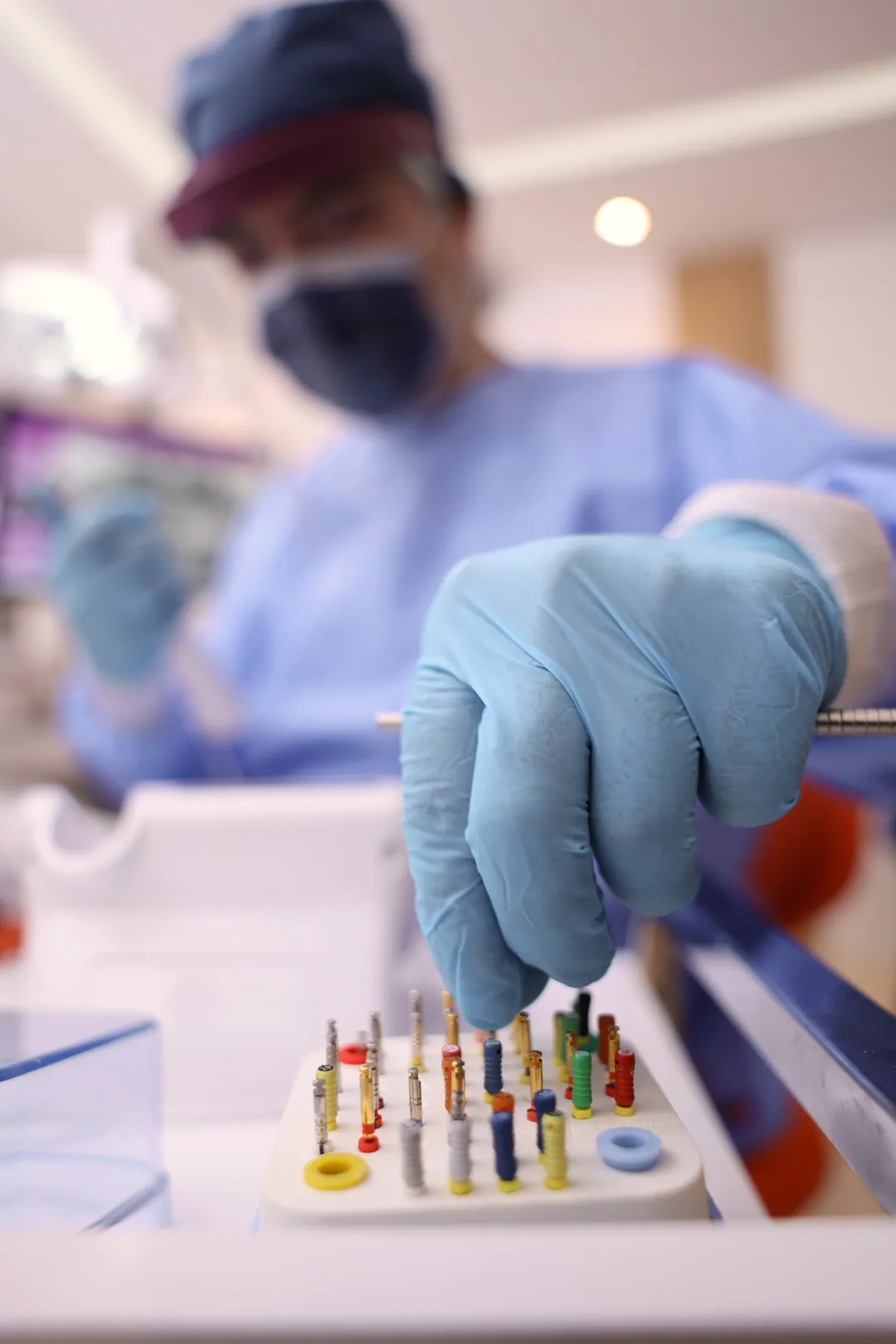
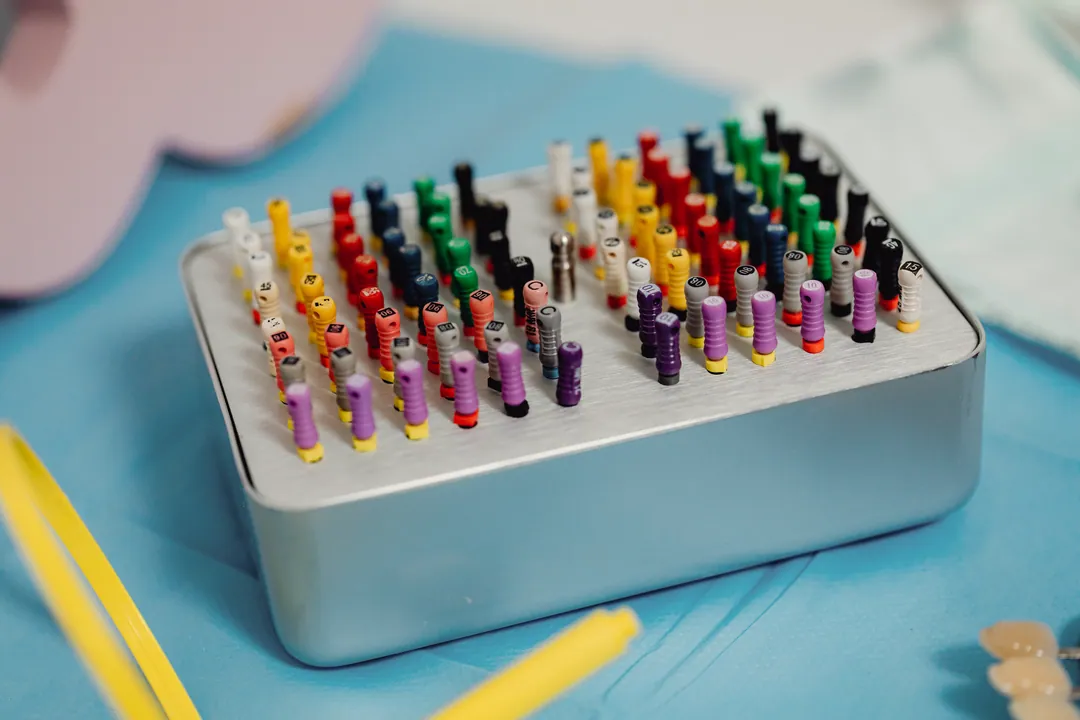
Fine files clean and shape each canal down to the root tip, measured as we go. The canals are rinsed again and again with a disinfecting solution.
What you'll feelPressure, and the jaw gets tired. We stop for breaks.
- 2Enamel
- 3Dentine
- 4Pulp: nerve and blood vessels
- 5Root canal
- 6Gum
- 7Jawbone
- 8Ligament holding the root
- 9Decay reaching inwards
- 10Inflamed or infected pulp
- 11Infection at the root tip
- 12Tooth and gum numbed
- 13Rubber dam keeps it dry
- 14Small opening in the crown
- 1Fine files clean each canal
- 15Temporary filling on top
- 16Medicine rests in the canals
- 17Gutta-percha fills each canal
- 18A crown protects what's left
-
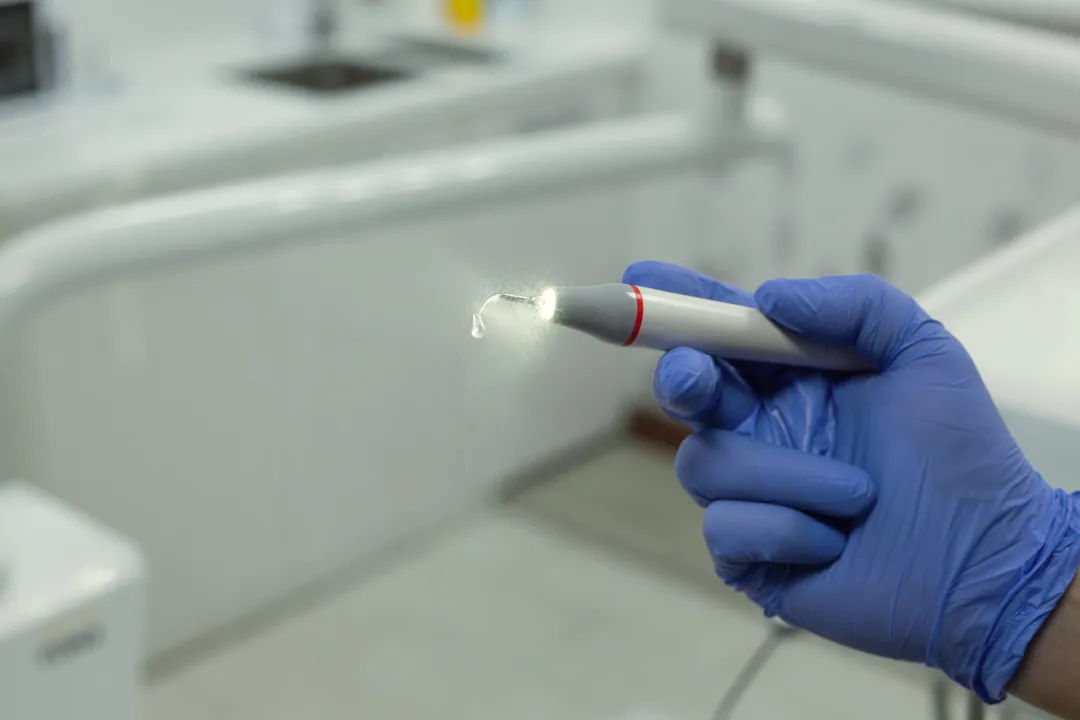
If a second visit is needed, a medicine is left inside the canals and a temporary filling seals the top. Done in one visit, this step is skipped; studies find no clear difference in outcome.
What you'll feelSome tenderness for a few days is common.
- 3Enamel
- 4Dentine
- 5Pulp: nerve and blood vessels
- 6Root canal
- 7Gum
- 8Jawbone
- 9Ligament holding the root
- 10Decay reaching inwards
- 11Inflamed or infected pulp
- 12Infection at the root tip
- 13Tooth and gum numbed
- 14Rubber dam keeps it dry
- 15Small opening in the crown
- 16Fine files clean each canal
- 1Temporary filling on top
- 2Medicine rests in the canals
- 17Gutta-percha fills each canal
- 18A crown protects what's left
-
The canals are filled with gutta-percha, a rubbery material from a tree sap, and an X-ray checks the fill. Back teeth usually need a crown afterwards to stop them cracking.
What you'll feelNumb again. Biting feels normal once the tooth is restored.
- 3Enamel
- 4Dentine
- 5Pulp: nerve and blood vessels
- 6Root canal
- 7Gum
- 8Jawbone
- 9Ligament holding the root
- 10Decay reaching inwards
- 11Inflamed or infected pulp
- 12Infection at the root tip
- 13Tooth and gum numbed
- 14Rubber dam keeps it dry
- 15Small opening in the crown
- 16Fine files clean each canal
- 17Temporary filling on top
- 18Medicine rests in the canals
- 1Gutta-percha fills each canal
- 2A crown protects what's left
About 96%
of root canal treatments done to today's standard succeed when the root tip isn't yet inflamed; about 85% when it is.
- 01Wait until the numbness has worn off before eating, so you don't bite your cheek.
- 02Expect the tooth to feel tender for 3 to 4 days. Paracetamol or ibuprofen usually helps.
- 03Chew on the other side until the final filling or crown is in place.
- 04Call us if the swelling grows or the pain gets worse after the third day.
-
The tooth is numb throughout, so the treatment itself shouldn't hurt; most people compare it with having a filling. The tooth is often tender for a few days afterwards.
-
Sometimes. A 2022 Cochrane review found no clear difference in success between one visit and several. We decide together, depending on how infected the tooth is.
-
It's quicker on the day, but a gap can let neighbouring teeth drift, and replacing the tooth later with an implant or bridge costs more. We'll talk through both.
-
Back teeth usually do, because they take the most force when you bite. Front teeth often only need a filling.